Beginner's Guide to Gardening: Getting Started with Your Own Green Space
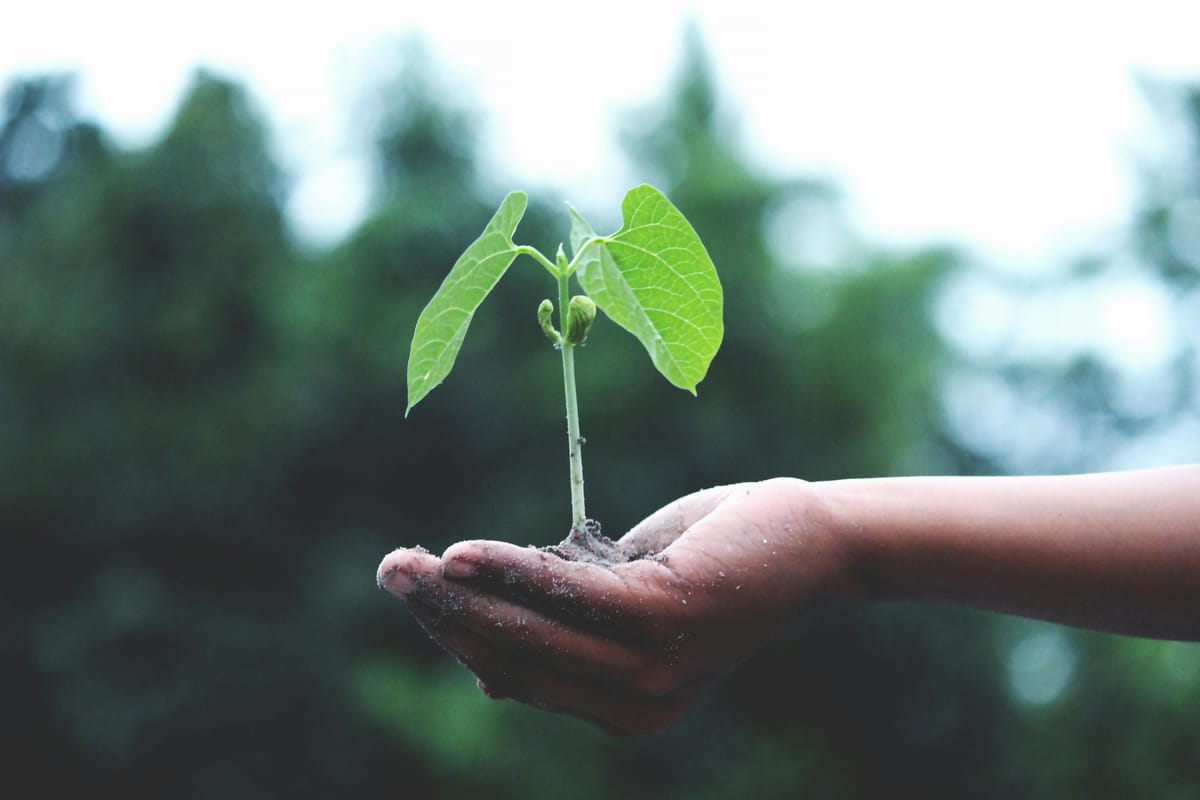
Gardening is a fulfilling hobby that allows you to connect with nature and create beautiful outdoor or indoor spaces. Whether you have a small balcony, a large backyard, or even just a window ledge, gardening can be an accessible and enjoyable activity for everyone. If you’re new to gardening, it may seem overwhelming, but with the right knowledge and tools, anyone can start a garden. Here’s an informative guide to gardening that will help you get started on your green thumb journey.
1. Indoor vs. Outdoor Gardening: Which is Right for You?
When you’re starting out in gardening, one of the first decisions is whether you want to garden indoors or outdoors. Both types of gardening have their unique benefits and challenges, depending on the space you have available.
- Indoor Gardening for Beginners: Indoor plants are perfect for people with limited outdoor space. Houseplants, herbs, and even small vegetables can thrive indoors with the right conditions. Plants like succulents, aloe vera, and spider plants are easy to grow indoors and require minimal care.
- Outdoor Gardening for Beginners: If you have access to a backyard garden or balcony, outdoor gardening offers more flexibility and the ability to grow a wider variety of plants. You can grow flowers, vegetables, shrubs, and even fruit trees. However, outdoor gardening requires more consideration for weather conditions, soil quality, and pests.
2. How to Plan Your Garden: Space and Climate Considerations
Before you begin planting, it’s essential to understand the space you’re working with and the climate in your area. Here’s how to plan your garden properly:
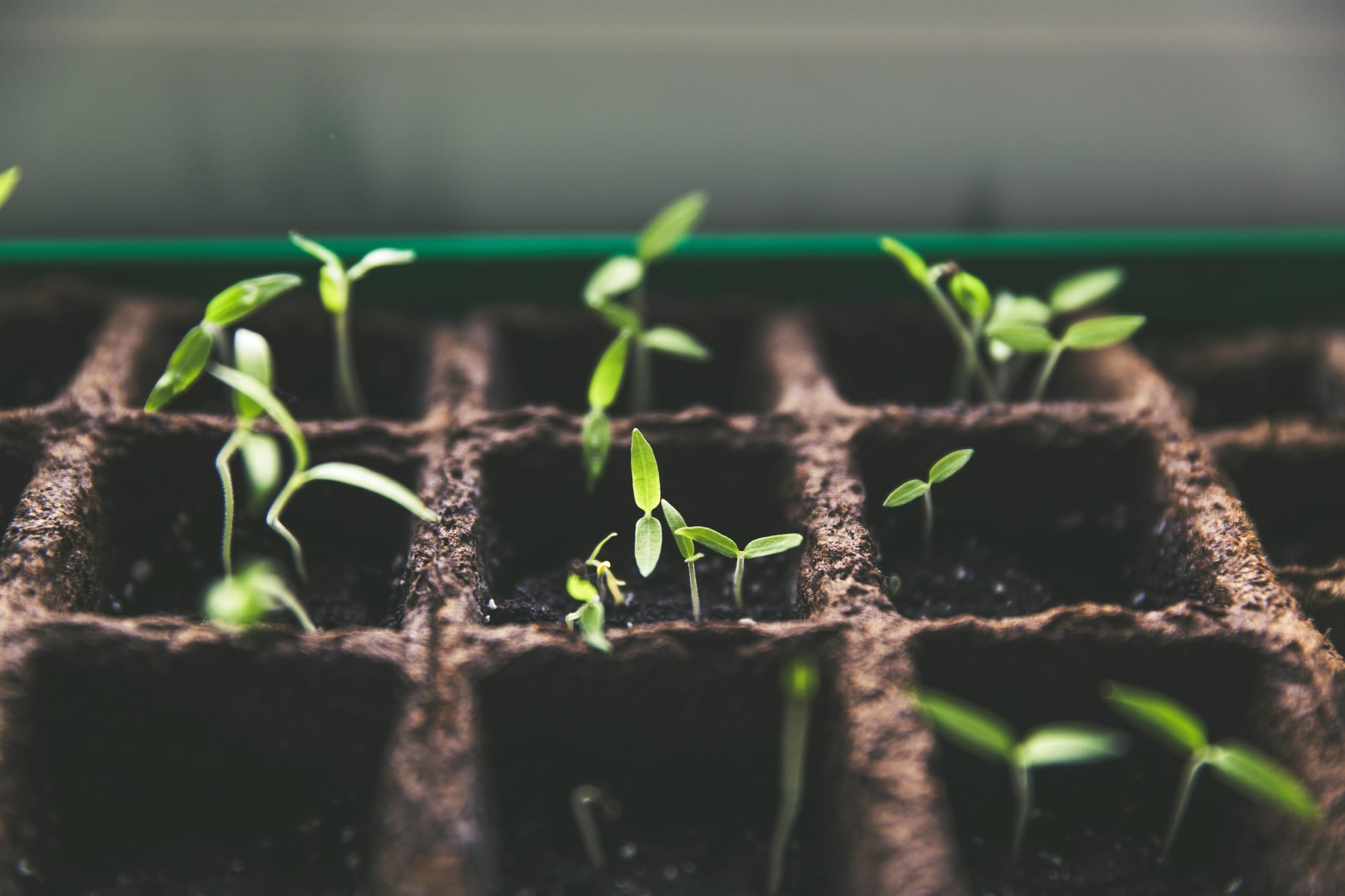
- Assess Your Space: Whether you’re working with raised garden beds, containers, or planting directly into the ground, ensure there’s enough space for your plants to grow. Some plants need more room to spread, while others are more compact. For small garden spaces, consider vertical gardening or using containers to save space.
- Climate and Zone Considerations: Your local climate plays a huge role in what will grow successfully. Be sure to research what plants are suited to your growing zone. For example, some plants thrive in hot weather gardening, while others need cooler temperatures. Always check the USDA Hardiness Zone for your area. You can find helpful information on growing zones on the USDA website.
- Sunlight Needs: Most plants need at least six hours of sunlight each day. Some plants, like leafy greens, tolerate partial shade, while others, like tomatoes and peppers, need full sun. If you're gardening indoors, opt for low-light plants like snake plants or peace lilies.
3. Best Plants for Beginner Gardeners
When you’re just starting out, it’s important to choose plants that are easy to grow and maintain. Here are some of the best plants for beginner gardeners:
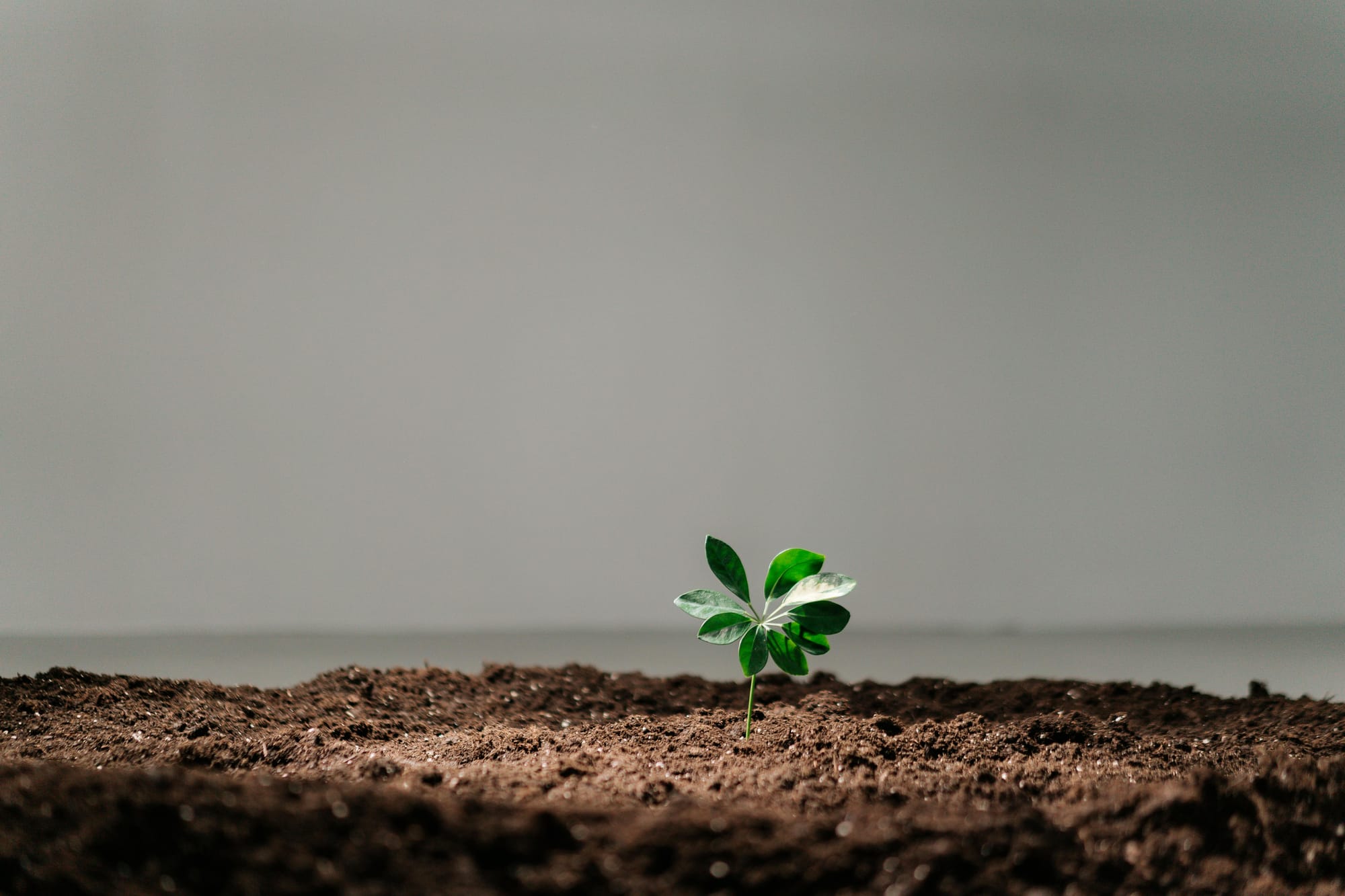
- Easy-to-Grow Herbs: Basil, mint, rosemary, and parsley are great choices. These herbs grow quickly, require little maintenance, and can be used in cooking.
- Low-Maintenance Flowers: Consider planting marigolds, sunflowers, or daisies. These easy-to-grow flowers bloom quickly and add color to your garden, even for beginners.
- Vegetables for Beginners: Lettuce, spinach, radishes, and tomatoes are perfect for beginners. They grow quickly and are often the first success in any new garden.
- Succulents: If you're gardening indoors, succulents like jade plants, aloe vera, and cacti are hardy, easy to care for, and can thrive in indoor environments with minimal attention.
4. Preparing Your Soil: Key to Healthy Plants
Healthy soil is crucial for healthy plants. Whether you’re gardening indoors or outdoors, understanding soil quality is essential:
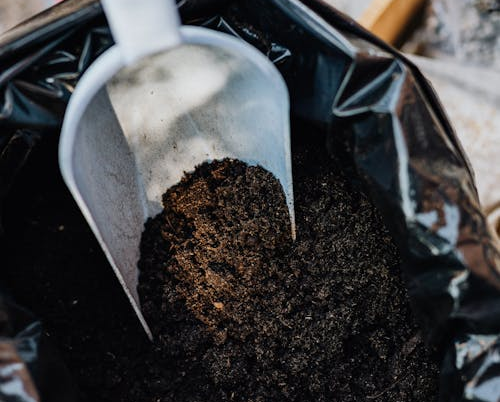
- Outdoor Gardening: For outdoor gardening, prepare your soil by removing any weeds, rocks, and debris. If your soil is heavy or sandy, improve it by adding compost or organic matter to enhance its structure and fertility. Testing the soil for pH levels and nutrients will help you make the right amendments. You can purchase soil test kits from Gardener's Supply.
- Indoor Gardening: Use potting soil or potting mix for indoor plants. Avoid garden soil for containers, as it tends to be too dense and can hinder root growth. Look for soil that promotes good drainage while still retaining moisture.
- Soil Amendments: Adding organic fertilizers like compost or well-rotted manure will provide plants with the necessary nutrients for growth.
5. Proper Watering Techniques for Healthy Growth
Watering is one of the most important aspects of gardening, but it’s easy to get wrong. Overwatering or underwatering can stress your plants. Here are some watering tips:
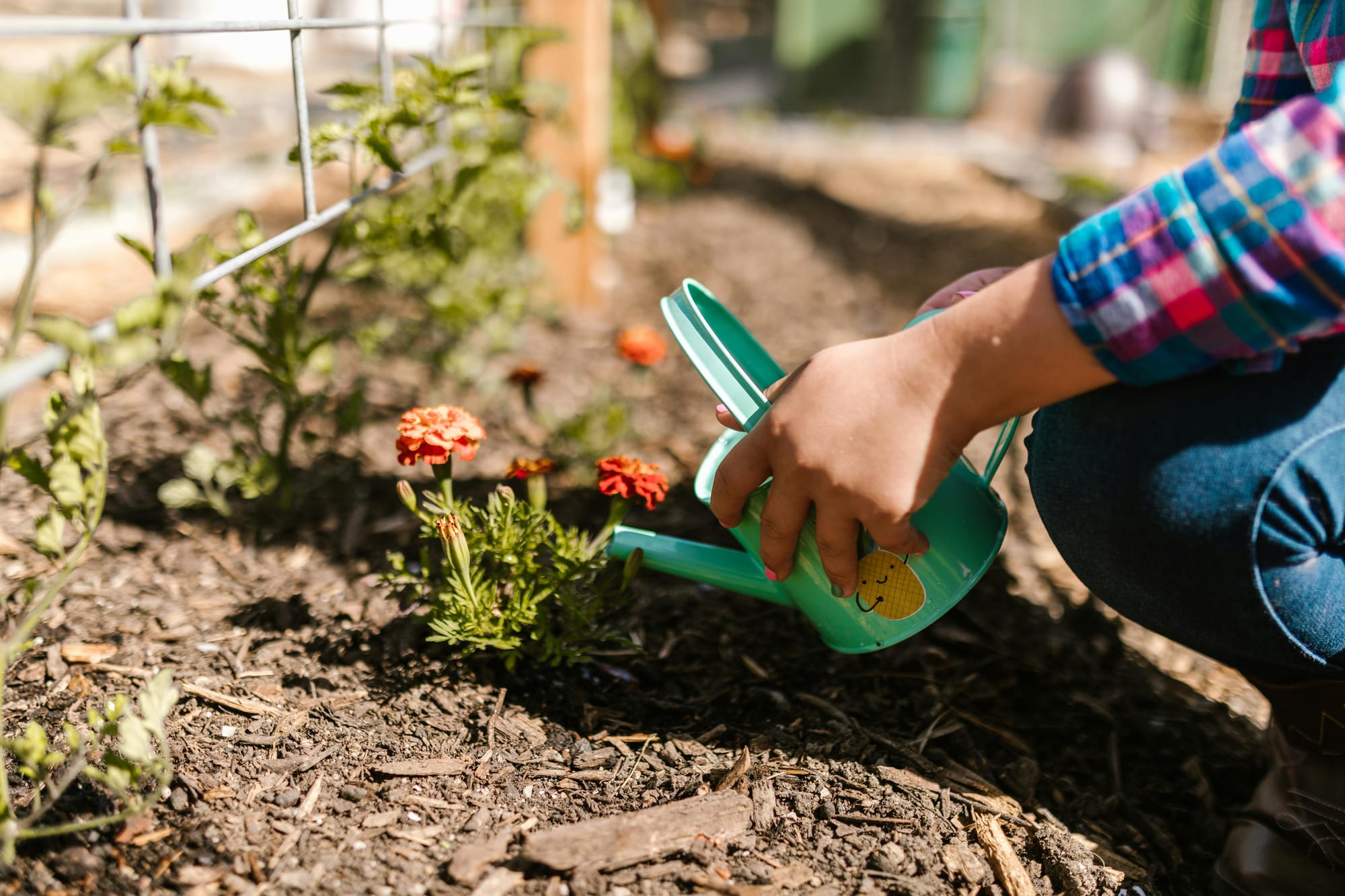
- How Often to Water: Water your plants deeply but less frequently. Check the top inch of soil for dryness before watering. Overwatering can lead to root rot, while underwatering can dry out the roots.
- Watering Time: Water your plants early in the morning or late in the evening to prevent evaporation from the heat of the day. Avoid watering in direct sunlight, as it can cause water to evaporate too quickly.
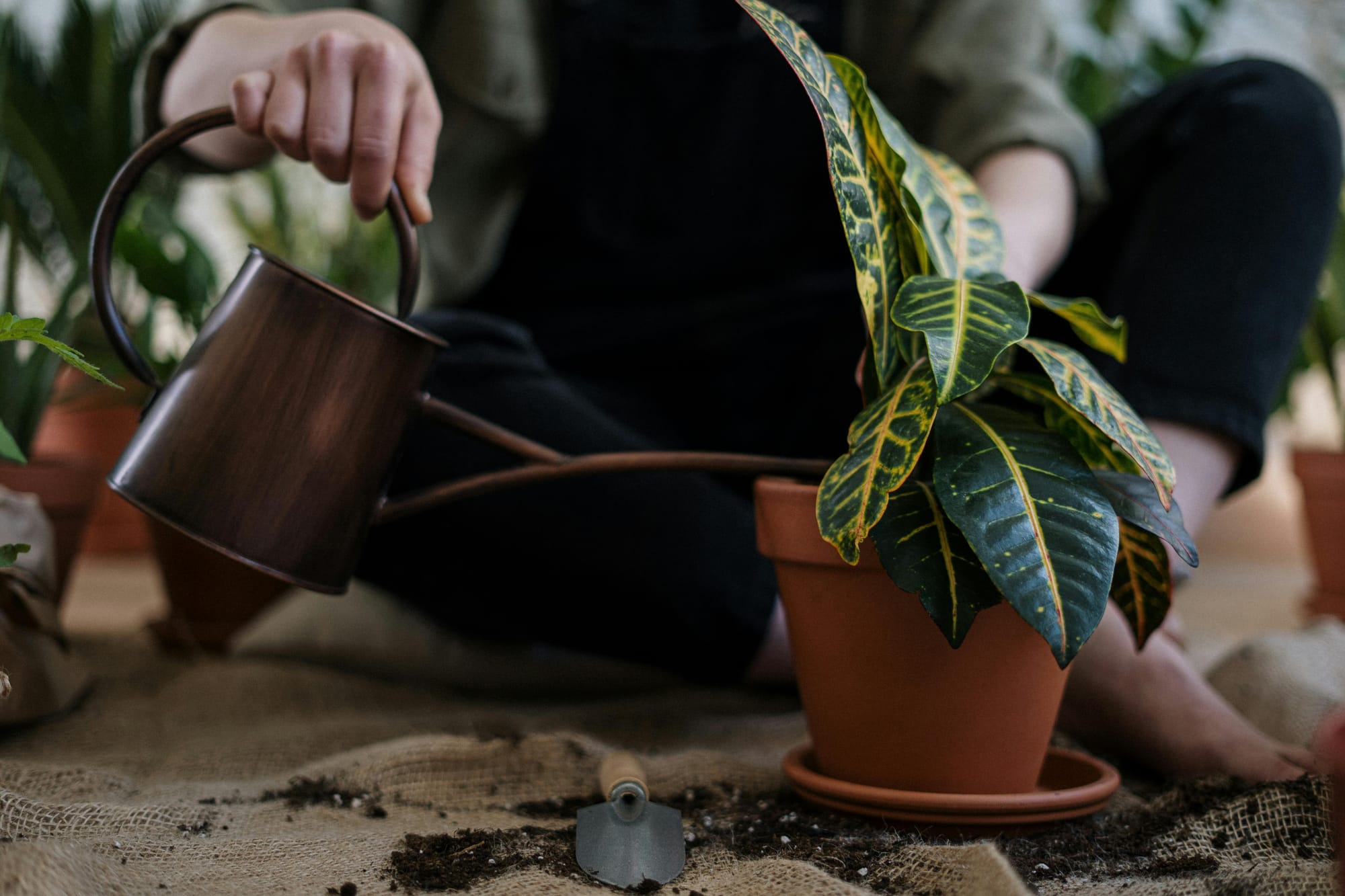
- Watering Tools: Use a watering can with a gentle spout for smaller plants or a garden hose with a spray nozzle for larger areas. Ensure that water reaches the plant’s roots, not just the leaves.
6. Essential Gardening Tools for Beginners
Having the right gardening tools can make your gardening tasks much easier and more efficient. Here are some basic tools every beginner gardener should have:
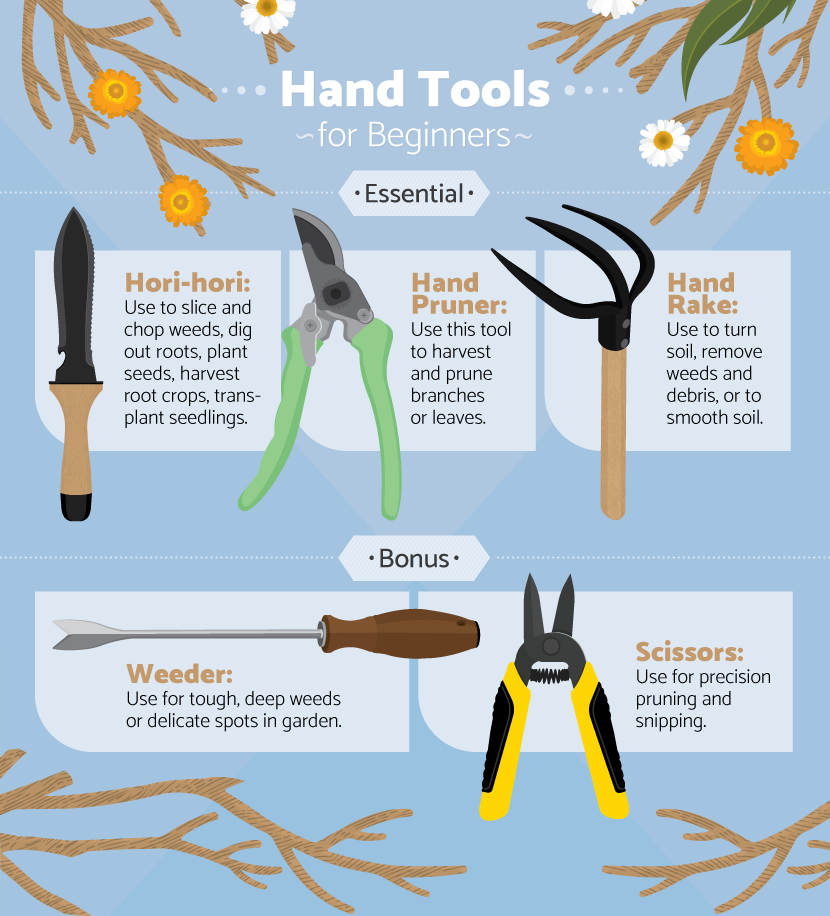
- Hand Trowel: A small, versatile tool for digging, planting, and transferring soil.
- Pruning Shears: For cutting dead or damaged branches and shaping plants.
- Watering Can or Hose: A good watering can or hose helps ensure you can water your plants evenly.
- Garden Gloves: Protect your hands from dirt, thorns, and potential pests.
- Garden Rake: Ideal for preparing the soil or clearing away debris in your garden.
7. Controlling Pests and Diseases in Your Garden
Gardening isn’t just about planting; it’s also about protecting your plants from pests and diseases. Here are some tips for maintaining a healthy garden:
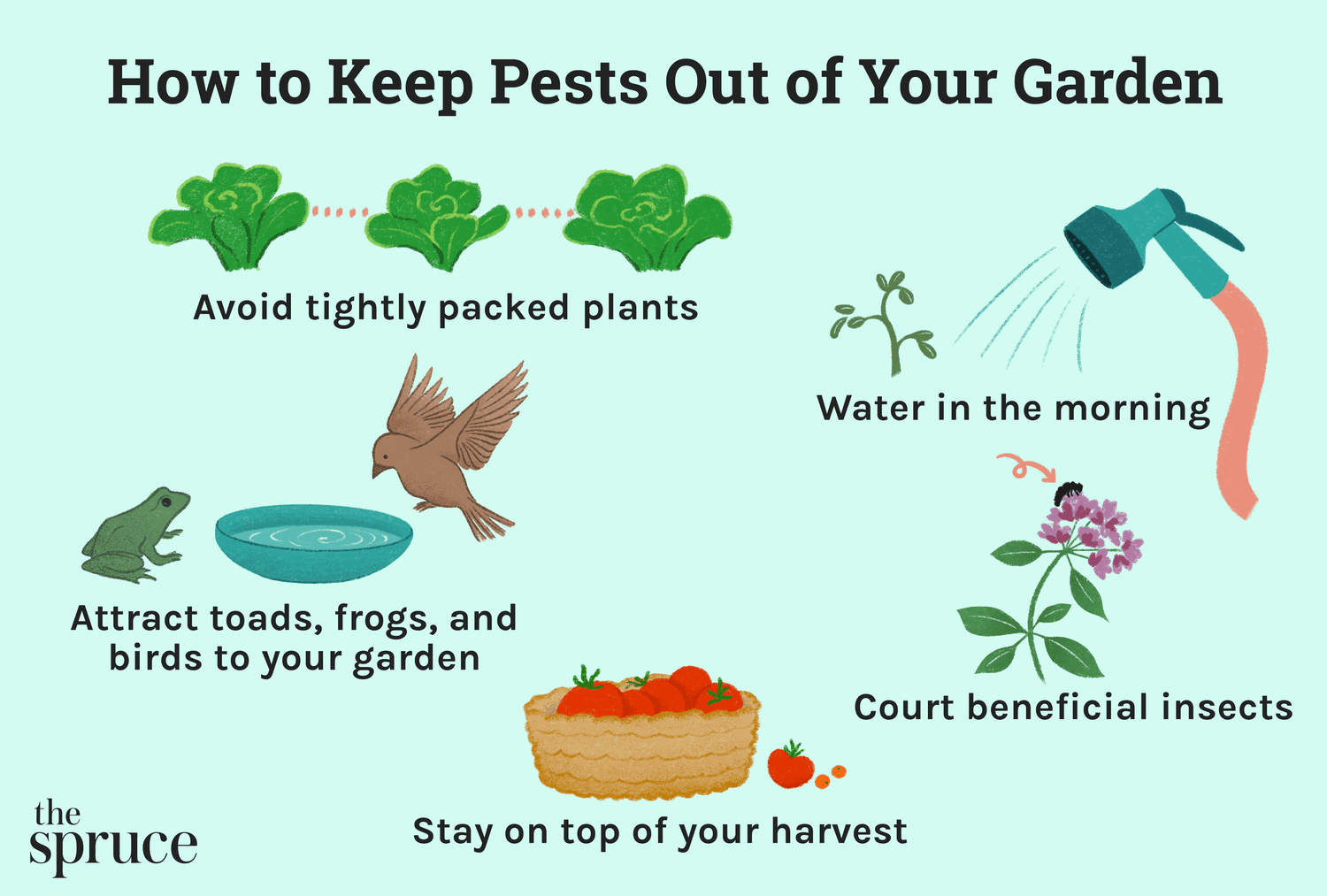
- Organic Pest Control: Use organic methods like neem oil or diatomaceous earth to control pests. Companion planting, such as pairing marigolds with tomatoes, can also help deter pests.
- Preventative Measures: Keep your garden clean and well-maintained to reduce the likelihood of disease. Regularly check your plants for signs of pest damage, such as holes in leaves or wilting.
- Common Plant Diseases: If you notice yellowing leaves, stunted growth, or unusual spots, your plants may be infected with a disease. Remove infected parts and treat with appropriate organic remedies or pesticides.
8. Fertilizing: How to Keep Your Plants Nourished
Fertilizers provide plants with essential nutrients they need to grow strong and healthy. Here’s how to properly fertilize your garden:
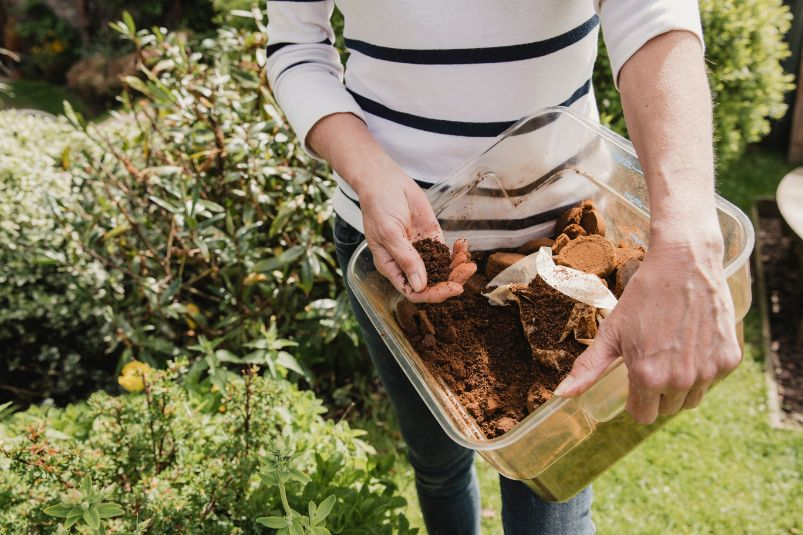
- Types of Fertilizers: Use organic fertilizers like compost, fish emulsion, or bone meal for a sustainable garden. Slow-release fertilizers are a great option for beginners because they provide nutrients over time.
- When to Fertilize: Most plants need fertilizing during their growing season (spring and summer). Indoor plants may need less frequent fertilizing, while outdoor vegetables might require more regular feeding.
9. Patience and Observation: Essential for Gardening Success
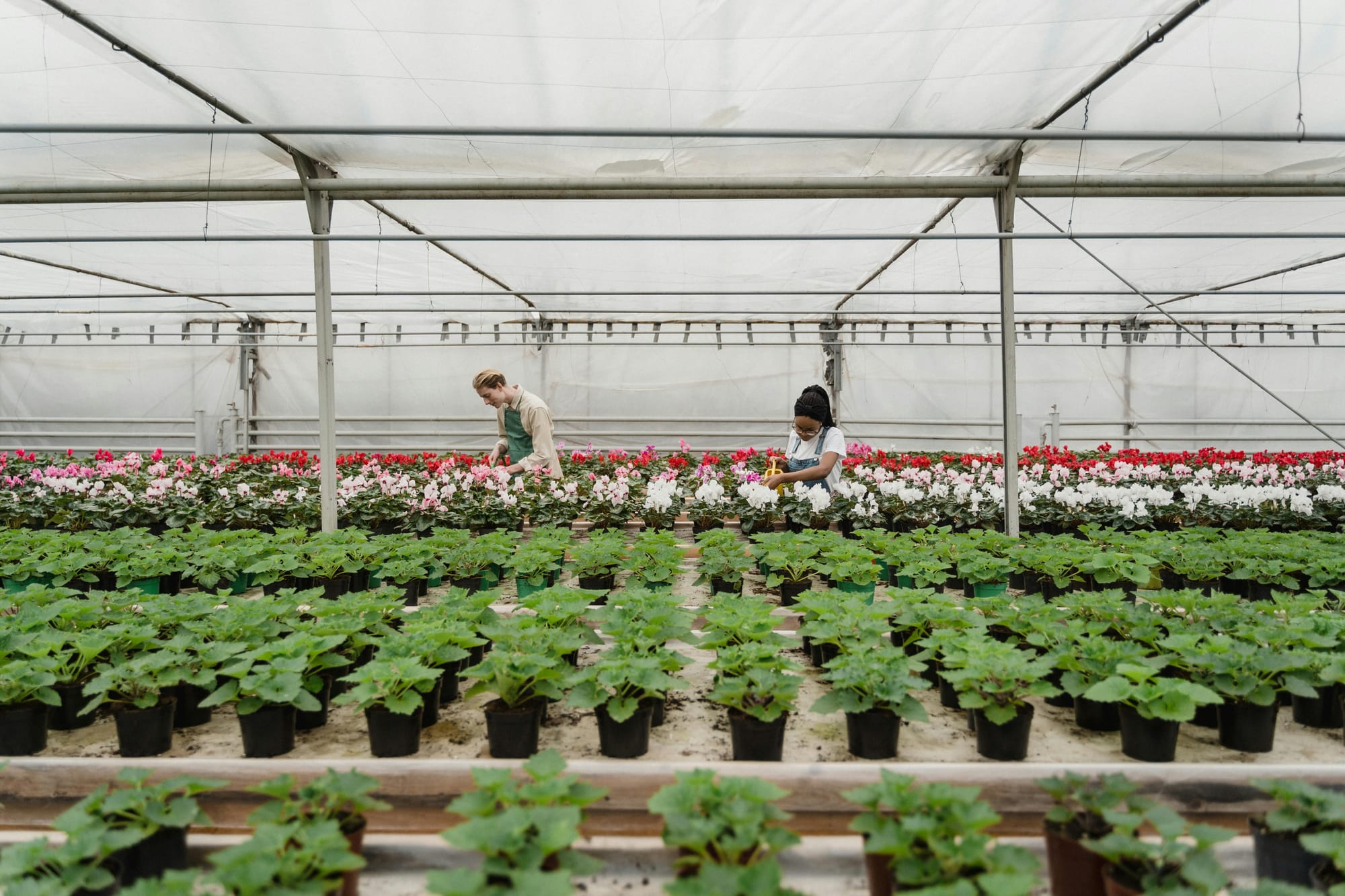
Gardening is a journey that requires patience and observation. Each plant grows at its own pace, and some may take longer to bloom or produce fruit. Watch your plants carefully for any signs of trouble, and make adjustments as needed.
Gardening for Beginners
Starting a garden can be a fun and rewarding experience, and with the right tools and knowledge, you’ll be well on your way to becoming a successful gardener. By understanding your space, choosing the right plants, and taking care of your soil and watering needs, you’ll create a beautiful and thriving garden. Happy gardening!
For more gardening tips, check out these resources:
- The National Gardening Association for a variety of gardening topics.
- Better Homes & Gardens for gardening ideas and inspiration.
Garden in Comfort with the Ultra Comfort Metal Folding Stool
Looking for a comfortable folding stool that’s perfect for both indoor and outdoor use? The Ultra Comfort Metal Folding Stool combines durability, portability, and exceptional comfort. Whether you're using it for gardening, indoor seating, or outdoor activities, this folding chair is built to last and provides superior support.
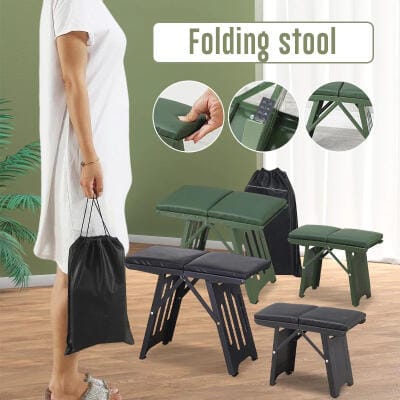
Featuring a heavy-duty metal frame, the stool is designed to withstand long hours of sitting while maintaining a compact, easy-to-store design. Its ergonomic seating ensures you stay comfortable, whether you’re working in the garden, at a picnic, or enjoying a sports event. Plus, the stool’s space-saving feature makes it ideal for smaller spaces like apartments or offices.
Don’t settle for flimsy, uncomfortable chairs. Invest in the Ultra Comfort Metal Folding Stool today!
Shop now and experience ultimate comfort with the Ultra Comfort Metal Folding Stool.