Essential First Aid Skills Every Outdoor Enthusiast Should Know

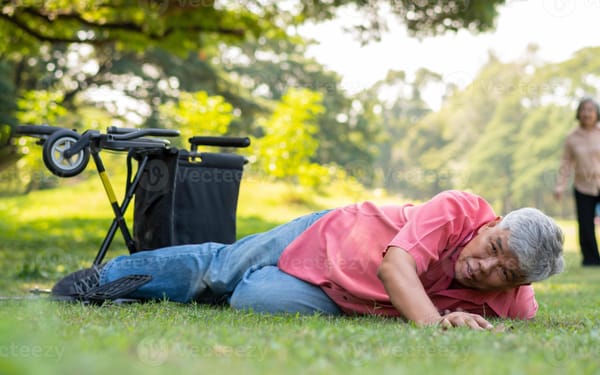
Spending time in nature can be an incredible experience, offering adventure, relaxation, and a break from daily routines. However, outdoor activities come with risks, from minor scrapes to serious medical emergencies. Whether you're hiking, camping, or backpacking, being prepared with first aid knowledge can make all the difference. Having the right skills ensures you can handle unexpected situations effectively and keep yourself and others safe in the wilderness. In this guide, we’ll cover the essential first aid skills every outdoor enthusiast should know, helping you stay prepared and confident on your next adventure.
Discover How To Use First Aid Kit:
1. Treating Cuts, Scrapes, and Wounds
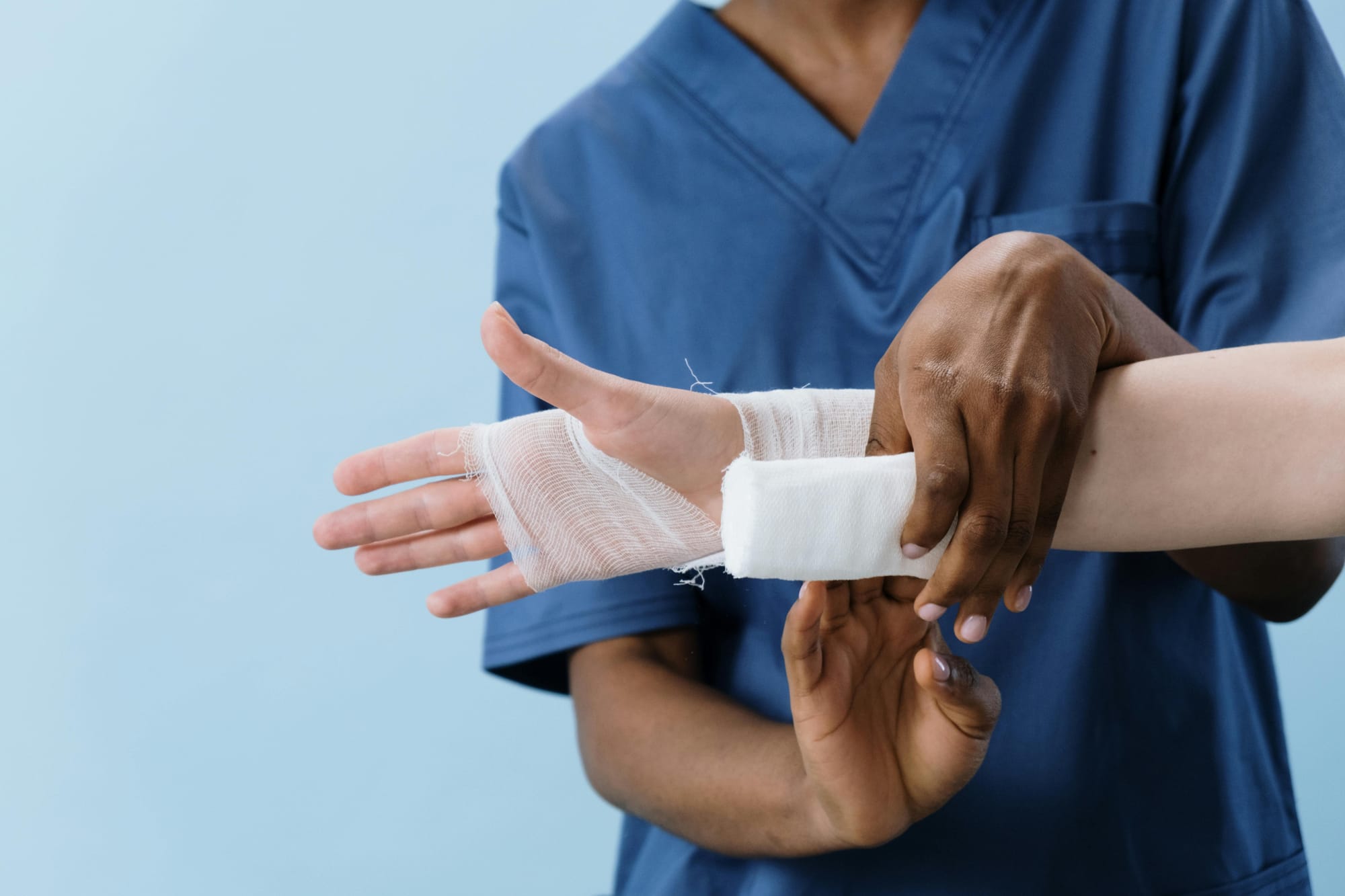
Outdoor environments expose you to sharp rocks, thorns, and rough terrain, making minor cuts and scrapes common. Clean wounds immediately with water or antiseptic wipes, apply antibiotic ointment, and cover with a sterile bandage to prevent infection. Carrying a well-stocked first aid kit is essential. For deeper wounds, applying pressure to stop bleeding and seeking medical attention if necessary is crucial. Read more about wilderness first aid kits to ensure you pack the right supplies.
2. Managing Sprains and Fractures
Twisting an ankle or suffering a fracture can happen on uneven trails. Use the R.I.C.E. method (Rest, Ice, Compression, Elevation) to manage swelling and pain. In case of fractures, immobilize the limb with a splint and seek medical attention as soon as possible. Learning how to make a DIY splint using available materials can be a lifesaver in remote locations.
3. Recognizing and Treating Hypothermia and Heatstroke
Extreme temperatures can be dangerous. For hypothermia, keep the person dry, warm, and insulated with blankets or extra clothing. For heatstroke, move the person to a shaded area, provide water, and cool their body with damp cloths or a cold compress. Knowing how to regulate body temperature is crucial, especially during extreme weather conditions.
4. Stopping Severe Bleeding
In case of deep cuts or wounds, applying direct pressure with a clean cloth or bandage can help stop bleeding. Elevate the injured area and use a tourniquet only as a last resort if the bleeding is uncontrollable. Having a proper understanding of how to apply a tourniquet can prevent excessive blood loss in emergencies.
5. Handling Bites and Stings
Insect bites and snakebites are common in the wild. Remove stingers if present, wash the area with soap and water, and apply a cold pack to reduce swelling. If bitten by a venomous snake, keep the person still, avoid sucking out venom, and seek medical help immediately.
6. CPR and Rescue Breathing
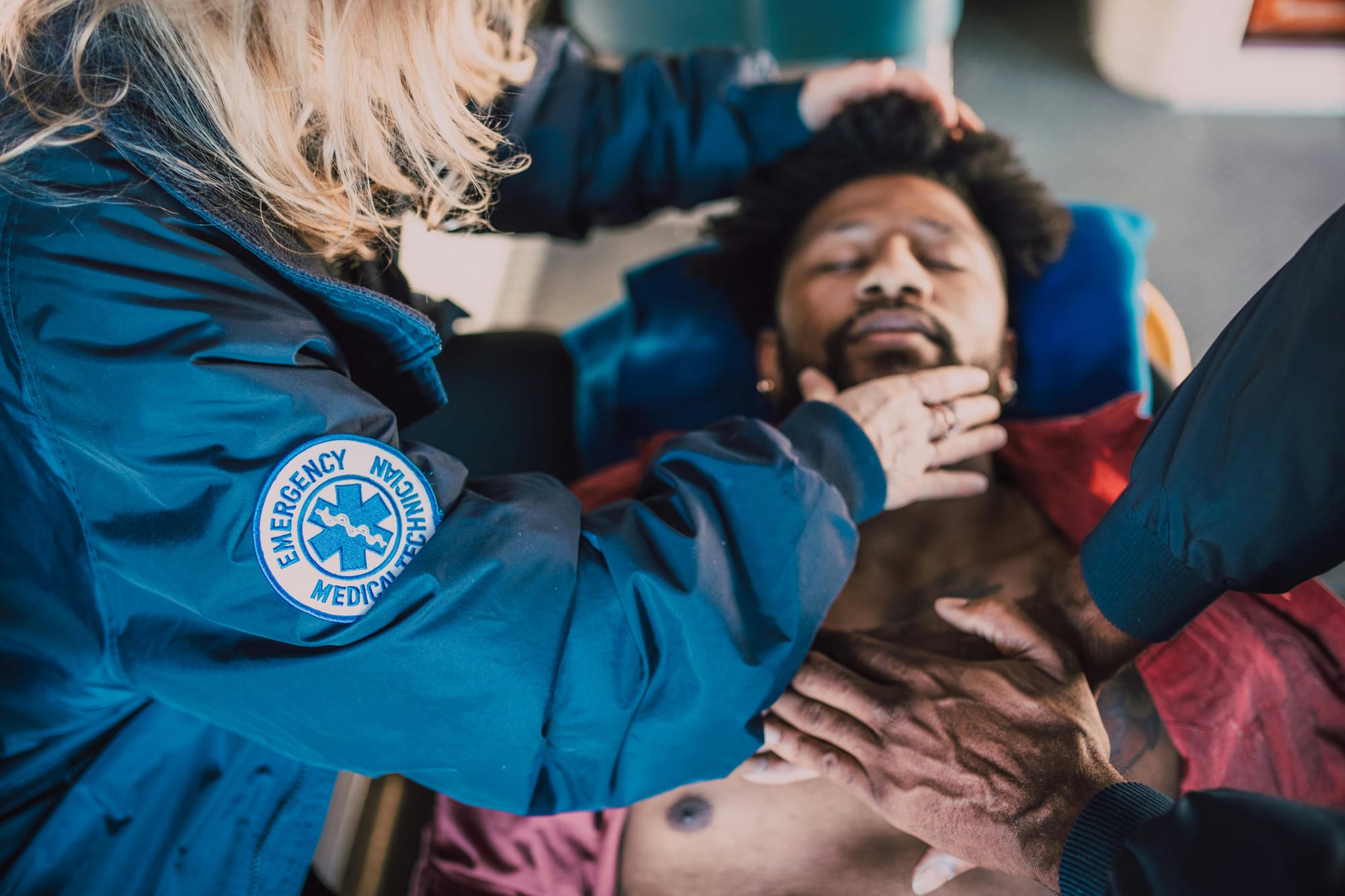
Knowing how to perform CPR (cardiopulmonary resuscitation) is crucial in emergencies. If someone is unconscious and not breathing, perform chest compressions and rescue breaths until professional medical help arrives. Learn the proper CPR technique to be prepared for any life-threatening situation.
7. Identifying Allergic Reactions and Anaphylaxis
Some people may experience severe allergic reactions to insect bites, plants, or food. Symptoms include swelling, difficulty breathing, and dizziness. Carry antihistamines and, if needed, an epinephrine auto-injector (EpiPen) to manage anaphylaxis.
Campfires and cooking accidents can lead to burns. For minor burns, cool the area with cold water and cover with a clean, non-stick bandage. Avoid using ice or butter, as they can worsen the injury.
9. Removing Splinters and Foreign Objects
Tweezers are an essential part of any first aid kit. Remove splinters, thorns, or debris carefully to prevent infection, and clean the area afterward.
10. Knowing When to Seek Help
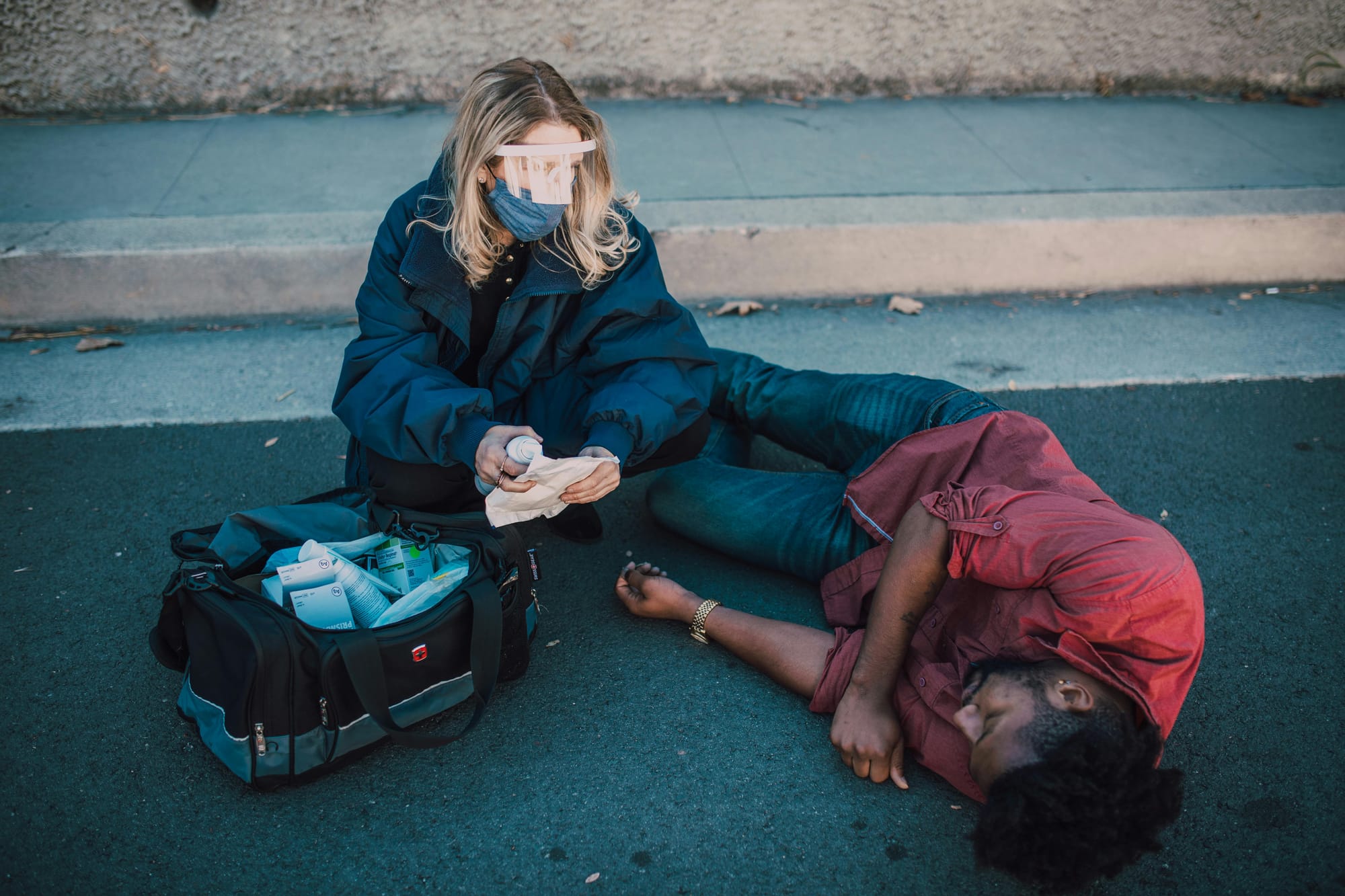
While basic first aid can handle many situations, knowing when to seek emergency medical assistance is vital. Carry a whistle or a communication device like a satellite phone if you're venturing into remote areas. Understanding emergency signals and rescue techniques can make all the difference when calling for help.
Be Prepared for Any Adventure
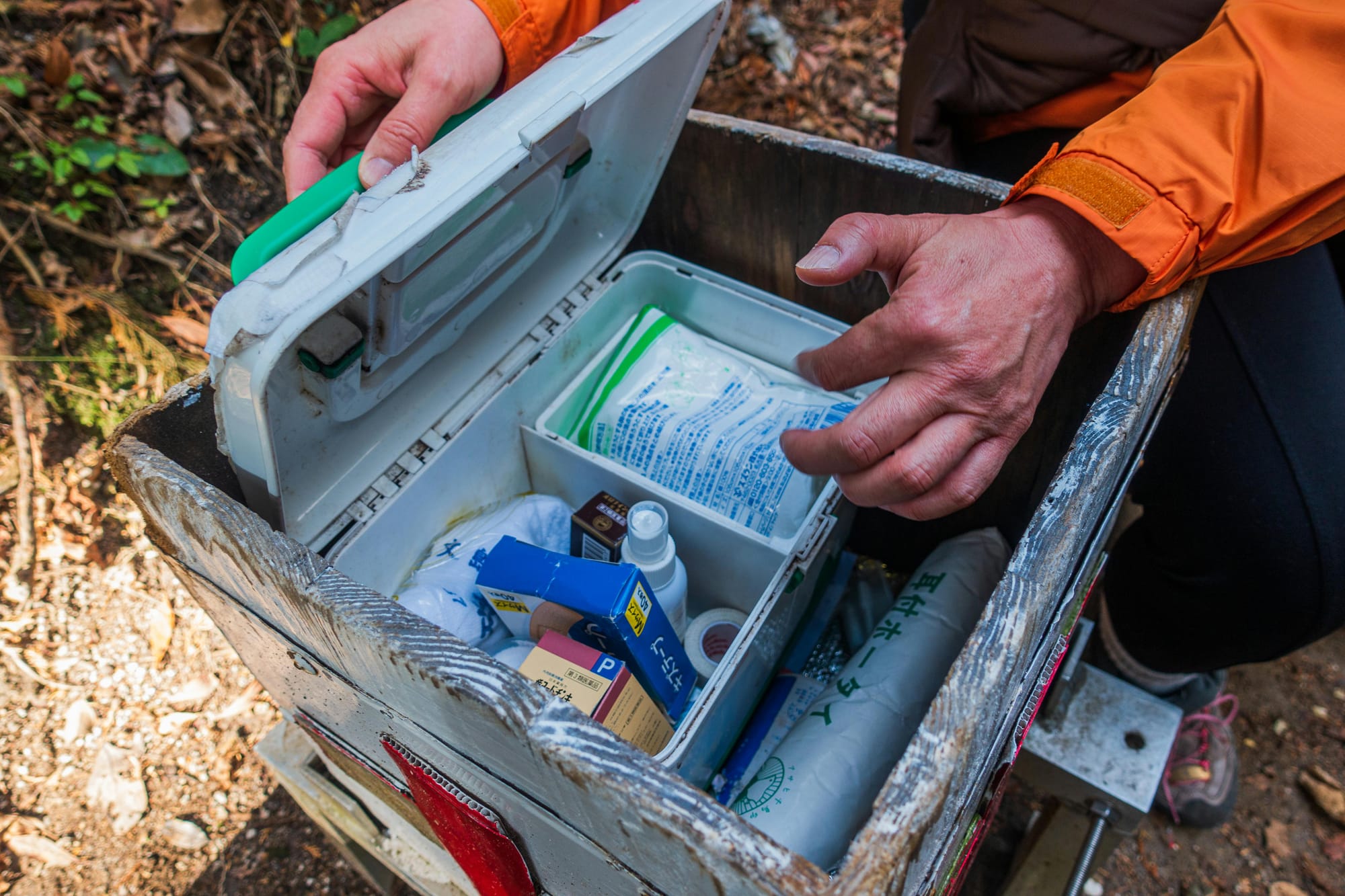
Outdoor adventures are thrilling, but preparation is key. Make sure you have a reliable first aid kit and the knowledge to use it. Stay safe, be aware of your surroundings, and enjoy your time in nature.
Upgrade Your Outdoor Comfort with Ultra Comfort Metal Folding Stool
When exploring the outdoors, comfort matters. The Ultra Comfort Metal Folding Stool is lightweight, durable, and easy to carry—making it the perfect addition to your adventure gear. Whether you're resting during a hike, fishing, or simply enjoying the view, this stool provides a sturdy and comfortable seat anywhere you go. Get yours today and upgrade your camping setup!