
First Hike Checklist: What to Bring and What to Leave Behind
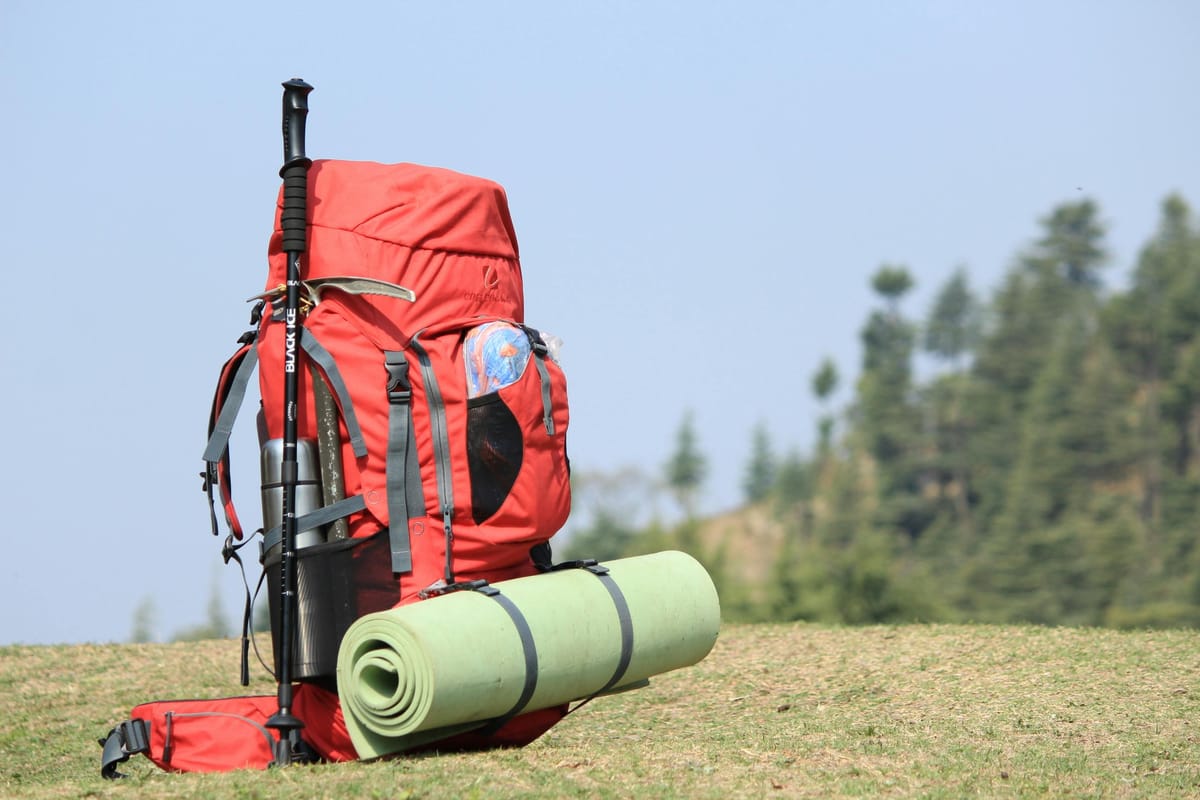
Are you planning your first hiking adventure? Hiking is an amazing way to connect with nature, get some exercise, and explore new places. However, packing the right gear can make the difference between an enjoyable hike and a frustrating experience.
To help you get started, here’s the ultimate first hike checklist—including essential items to bring and things you should leave behind for a stress-free and successful hike
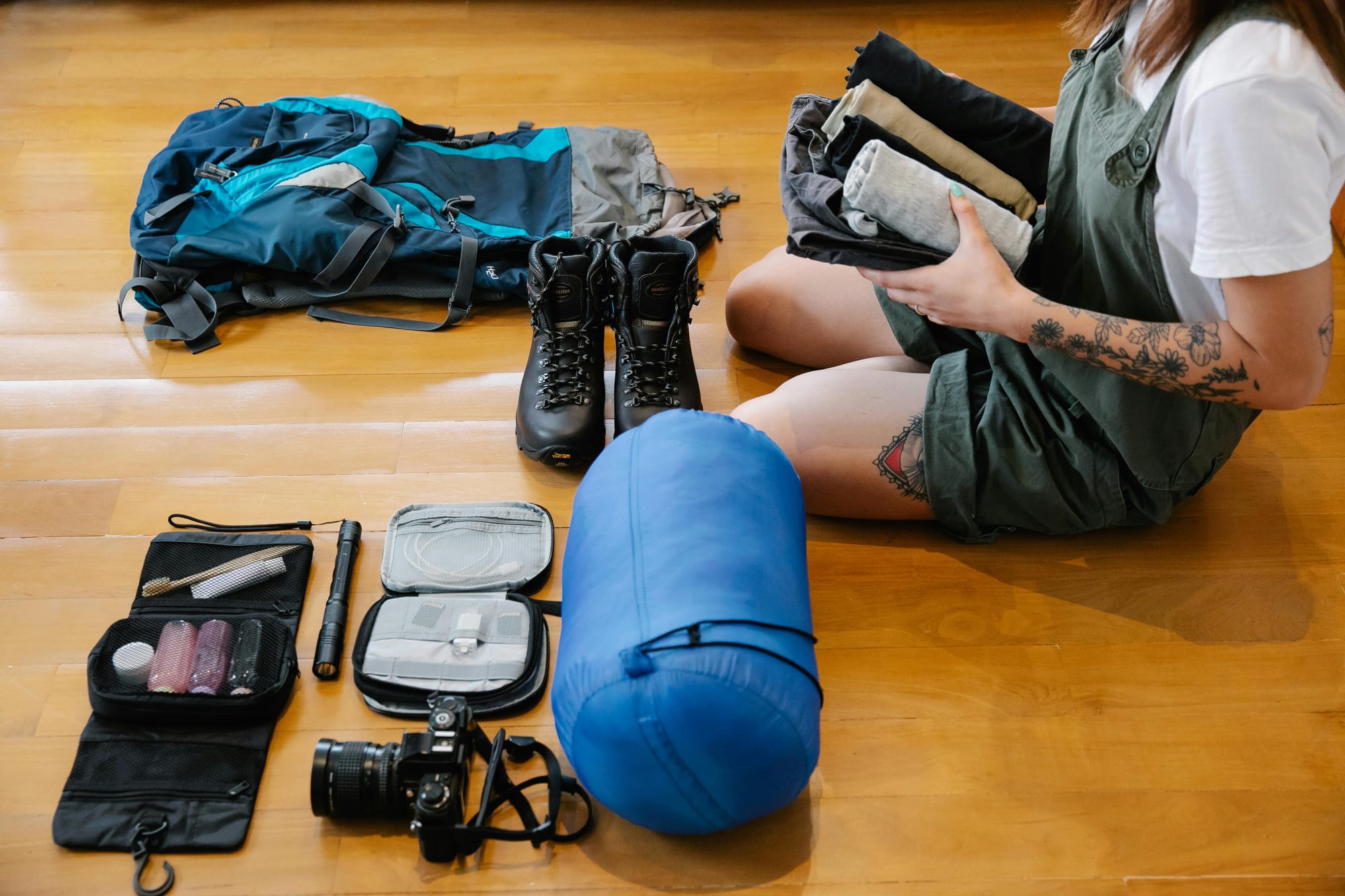
What to Bring on Your First Hike
1. Proper Footwear 👟
✔Wearing the right shoes is crucial for comfort and safety. Choose:
✔ Hiking boots (for rough terrain and long hikes)
✔ Trail running shoes (for light hikes and well-maintained paths)
✔Good socks (moisture-wicking socks to prevent blisters)
Avoid: Regular sneakers or sandals—they don’t provide enough grip or ankle support.
2. Backpack with Essentials
A lightweight yet sturdy backpack is a must to carry your gear. Look for:
✔ 10-20L backpack for short hikes
✔ 20-30L backpack for longer hikes
✔ Comfortable, adjustable straps for better weight distribution
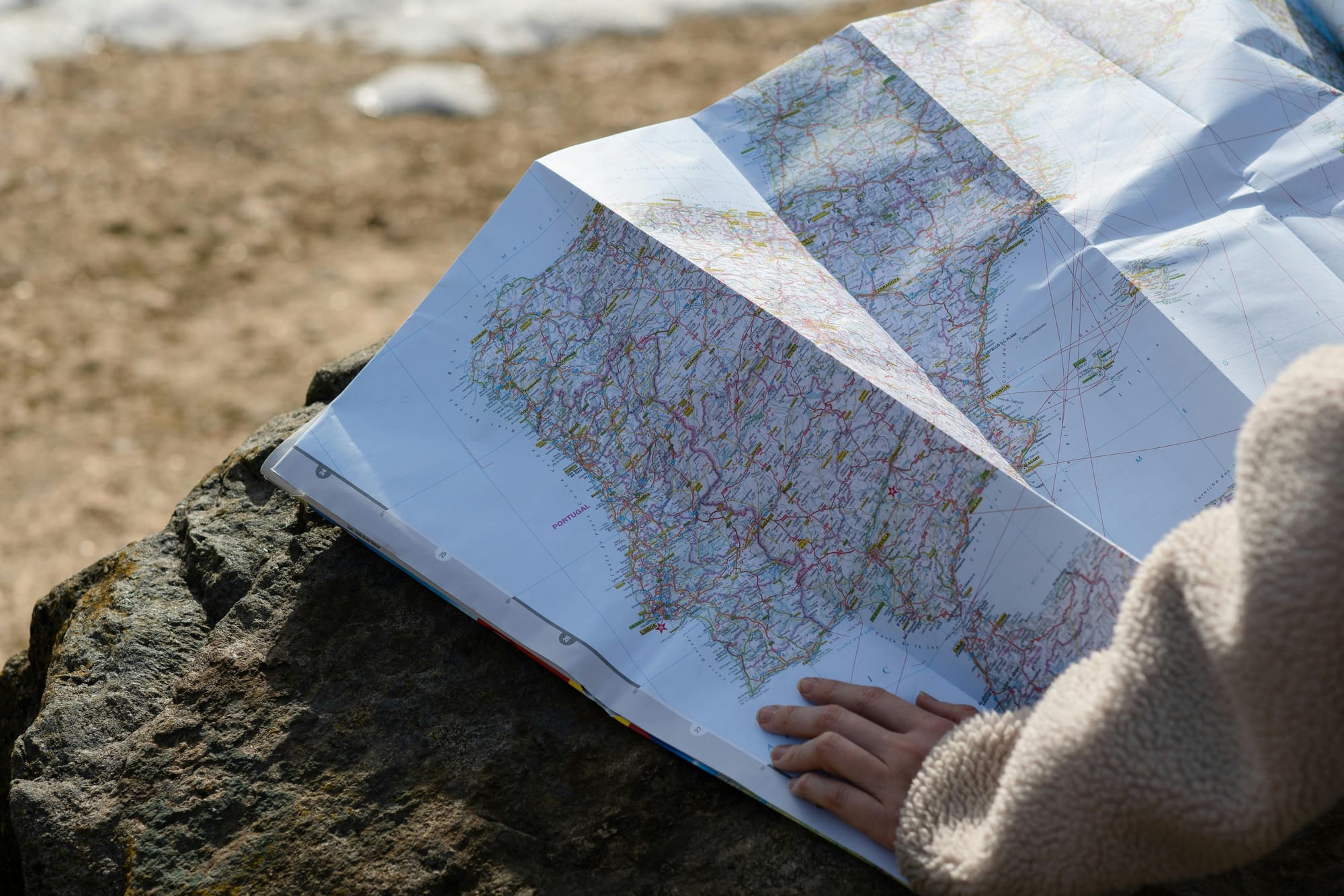
3. Navigation Tools
Even if you're following a marked trail, it’s always smart to have:
✔ A map and compass (in case of no cell signal)
✔ GPS app like AllTrails or Gaia GPS
✔ Fully charged phone with offline maps
Avoid: Relying only on your phone’s GPS—batteries can die fast.
4. Plenty of Water
Staying hydrated is essential when hiking. Bring:
✔ At least 1 liter of water for short hikes
✔ 2-3 liters for longer hikes or hot weather
✔ A reusable water bottle or hydration bladder
Avoid: Plastic water bottles—they’re bad for the environment and don’t keep water cool.
5. Healthy Snacks
Hiking burns a lot of energy, so pack:
✔ Trail mix, nuts, or granola bars
✔ Dried fruit for quick energy
✔ A small sandwich for longer hikes
Avoid: Junk food and sugary drinks—they cause energy crashes.
6. Weather-Appropriate Clothing
Dressing in layers is key for comfort:
✔ Moisture-wicking base layer (to keep sweat away)
✔ Insulating mid-layer (for warmth)
✔ Waterproof jacket (for unexpected rain)
Avoid: Cotton clothing—it traps moisture and can make you cold.
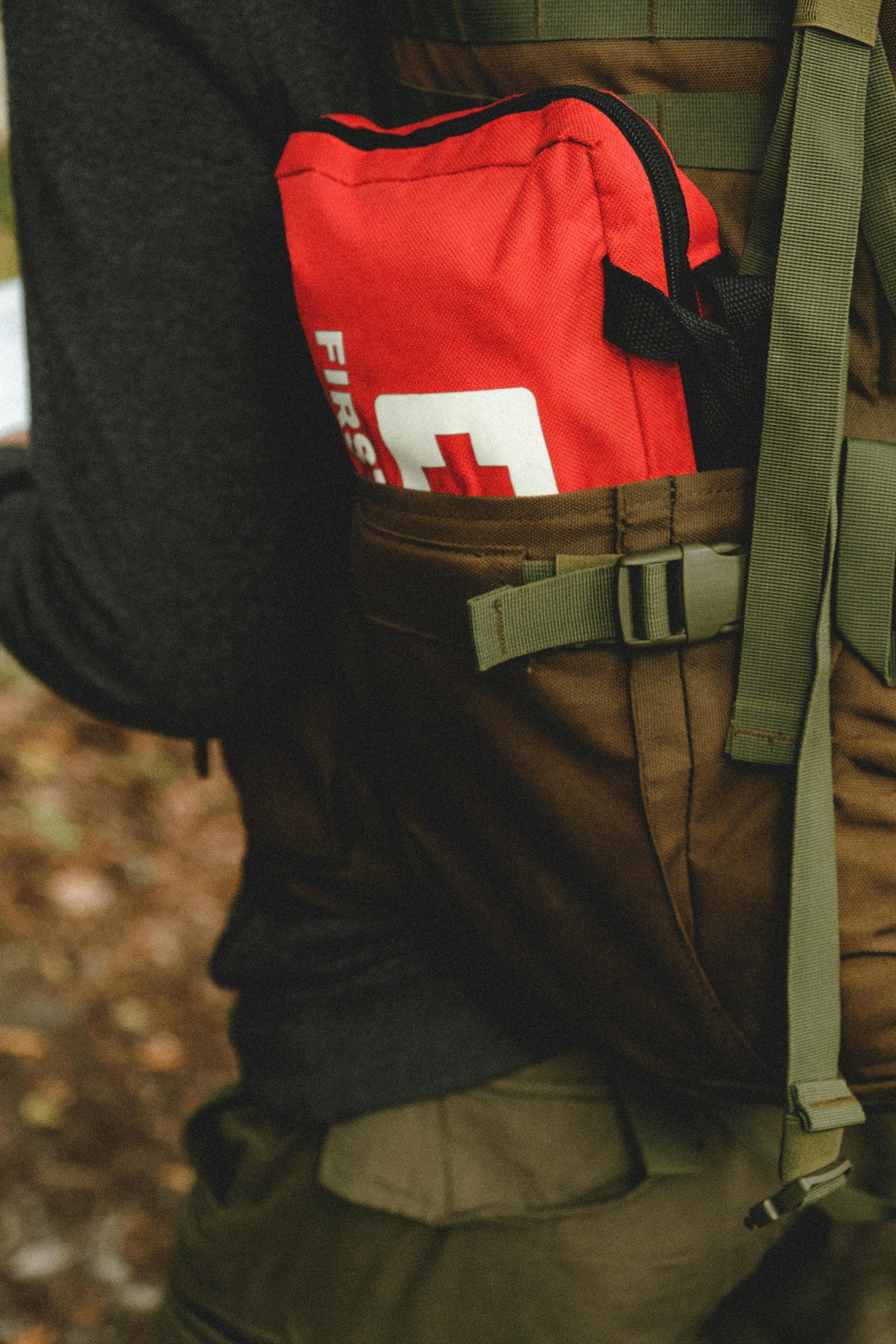
7. First Aid Kit
Be prepared for minor injuries with:
✔ Band-aids and blister pads
✔ Pain relievers (ibuprofen or aspirin)
✔ Antiseptic wipes and tweezers (for splinters or insect bites)
Avoid: Ignoring small injuries—they can turn into bigger problems.
8. Sun Protection
No matter the season, protect your skin and eyes:
✔ Sunscreen (SPF 30 or higher)
✔ Sunglasses with UV protection
✔ Hat or cap to shield your face
Avoid: Skipping sunscreen—it’s easy to get sunburned even on cloudy days.
9. Emergency Whistle & Multi-Tool
Always carry safety tools in case of unexpected situations:
✔ Whistle (to signal for help if lost)
✔ Pocket knife or multi-tool (for cutting or repairs)
Avoid: Hiking alone without any safety gear.
10. Headlamp or Flashlight
If you're hiking in the early morning or late afternoon, a light source is essential:
✔ Headlamp (hands-free option)
✔ Flashlight with extra batteries
Avoid: Relying on your phone’s flashlight, drains the battery quickly.
❌ What to Leave Behind
🚫 Heavy Gear – Keep it light; only bring what’s necessary.
🚫 New Shoes – Break them in before hiking to avoid blisters.
🚫 Expensive Jewelry – Risk of losing or damaging it.
🚫 Overpacking Food – Carry just enough to avoid extra weight.
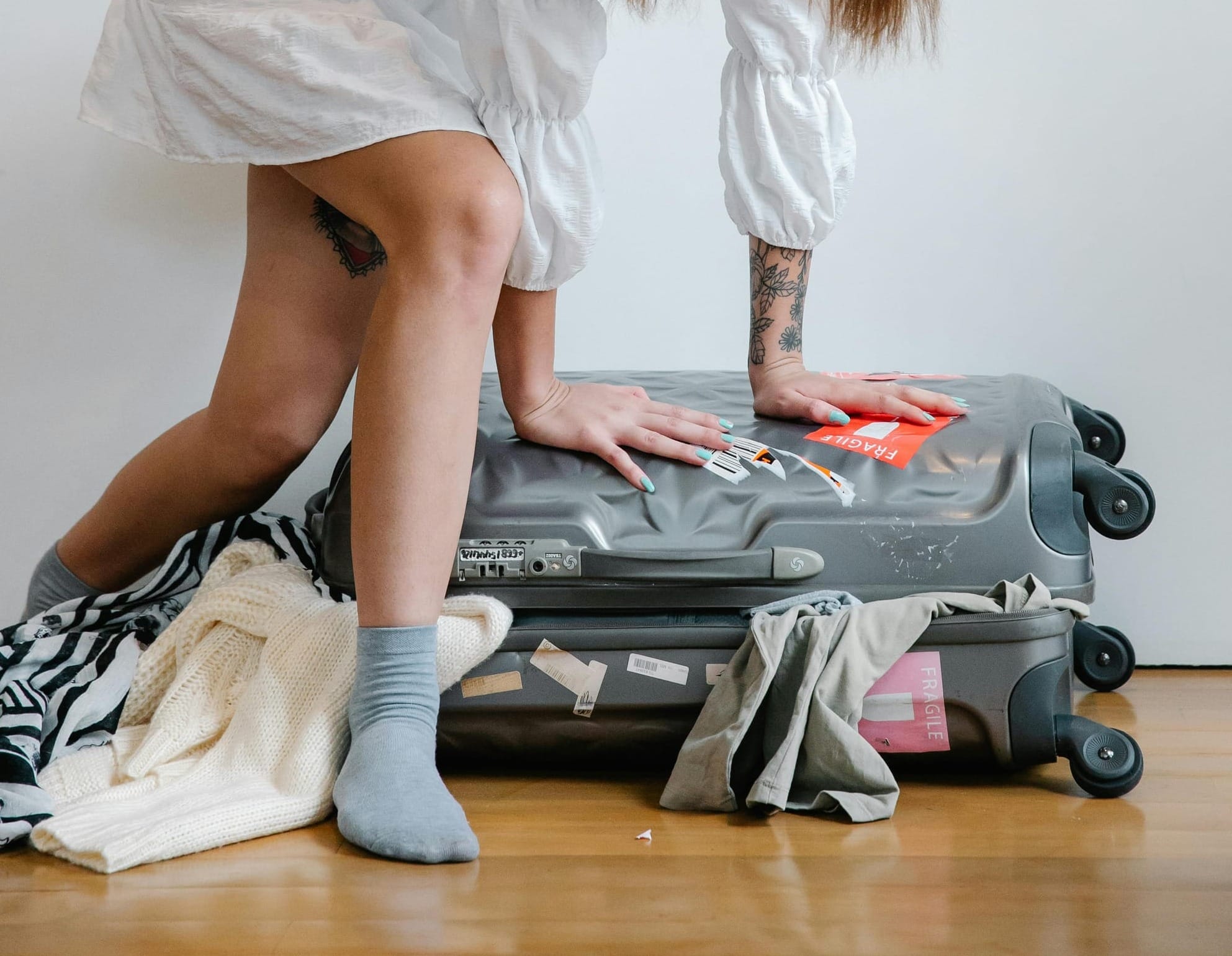
🚫 Too Many Clothes – Layer smartly instead of overpacking
Your first hiking trip should be fun, safe, and stress-free. By following this first-time hiker checklist, you’ll be well-prepared for any adventure.
Ready to hit the trails? Pack wisely and enjoy your first hike with confidence!
Make your first hiking adventure more comfortable with the Ultra Comfort Metal Folding Stool. Click Here to Check it out.