How to Prevent Falls and Injuries Among the Elderly

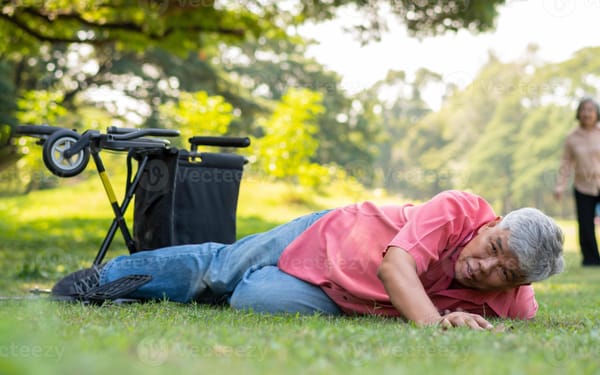
Falls are one of the leading causes of serious injuries among seniors, often leading to fractures, hospitalization, and a decline in overall well-being. As people age, factors such as reduced muscle strength, impaired vision, and slower reflexes can increase the likelihood of falls. However, by taking proactive steps, seniors can minimize their risk and maintain their independence. Here’s a comprehensive guide on how to prevent falls and injuries among the elderly
1. Make the Home Safe

Creating a fall-proof home is one of the most effective ways to protect seniors. Start by eliminating clutter, securing loose rugs with non-slip pads, and keeping pathways clear of obstacles. Install grab bars in bathrooms, particularly near the toilet and shower, to provide additional support. Handrails on both sides of staircases can help seniors maintain balance. Adequate lighting is essential—use nightlights in hallways and stairways to improve visibility. Non-slip mats in the bathroom and kitchen are also helpful in reducing the chances of slipping.
2. Encourage Regular Exercise
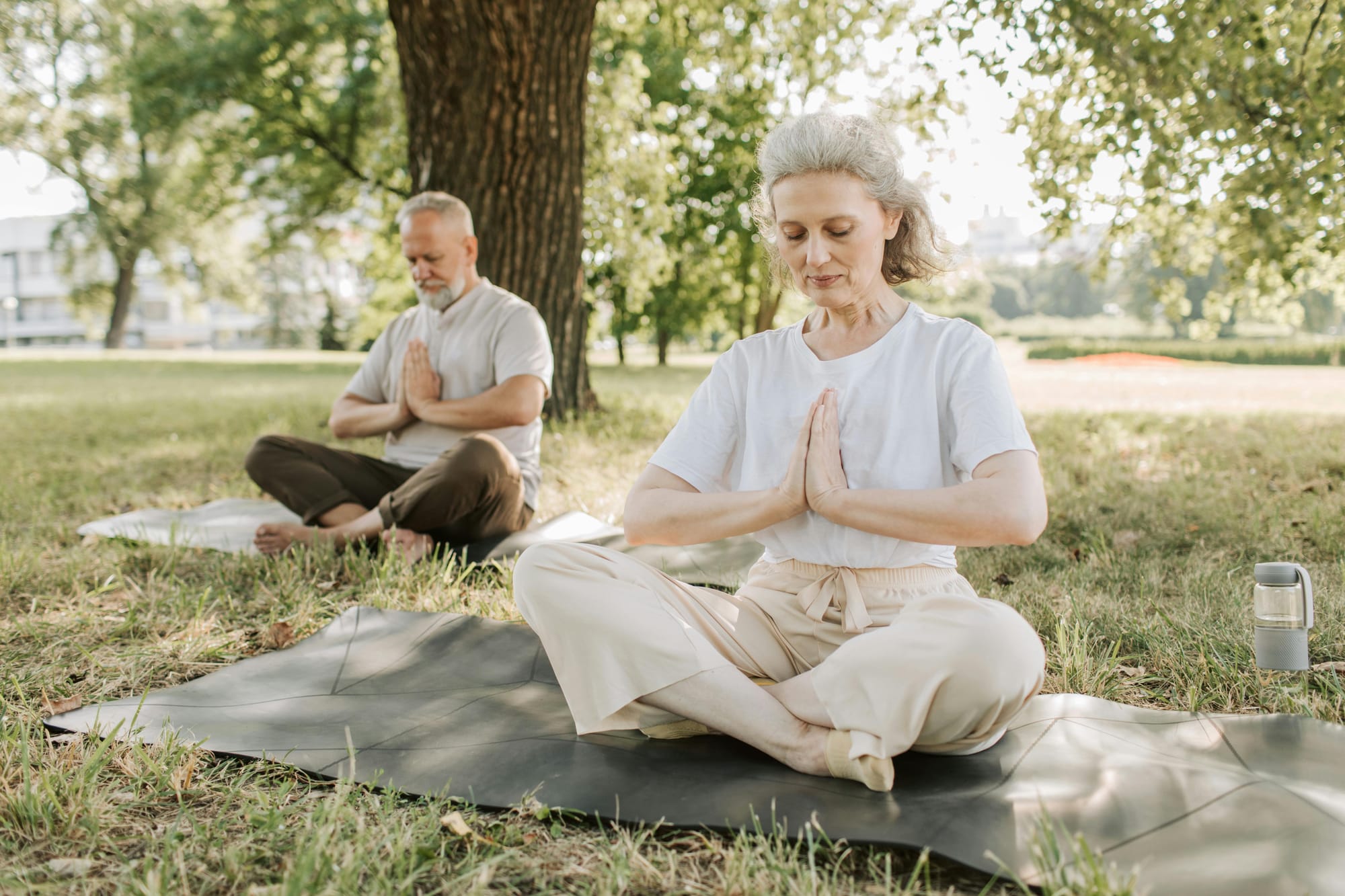
Exercise plays a vital role in strengthening muscles, improving balance, and enhancing flexibility—key factors in preventing falls. Seniors should engage in low-impact activities like walking, tai chi, yoga, or water aerobics. Strength training exercises focusing on core stability and leg muscles can help improve mobility and reduce the risk of falls. Consulting a physical therapist or fitness expert can help design a safe and effective exercise routine tailored to individual needs.
3. Choose the Right Footwear
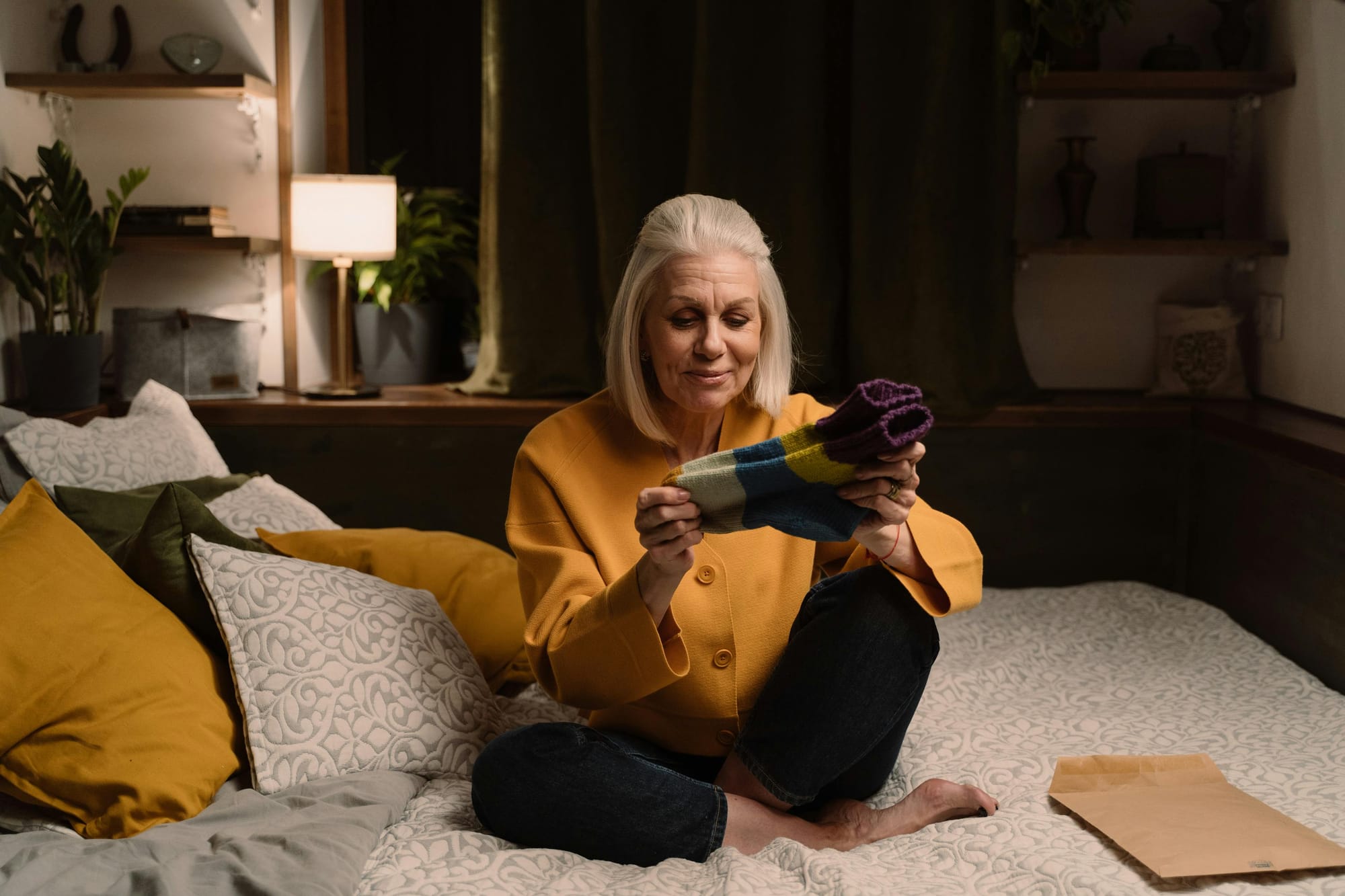
Wearing appropriate footwear is crucial for maintaining stability and reducing fall risks. Seniors should wear well-fitted, non-slip shoes with adequate arch support. Shoes with thick soles or high heels should be avoided, as they can increase instability. Walking in socks or slippers without grip is risky, as it heightens the chances of slipping on smooth surfaces. Encouraging seniors to wear proper footwear at all times can significantly reduce accident risks.
4. Schedule Regular Health Check-ups
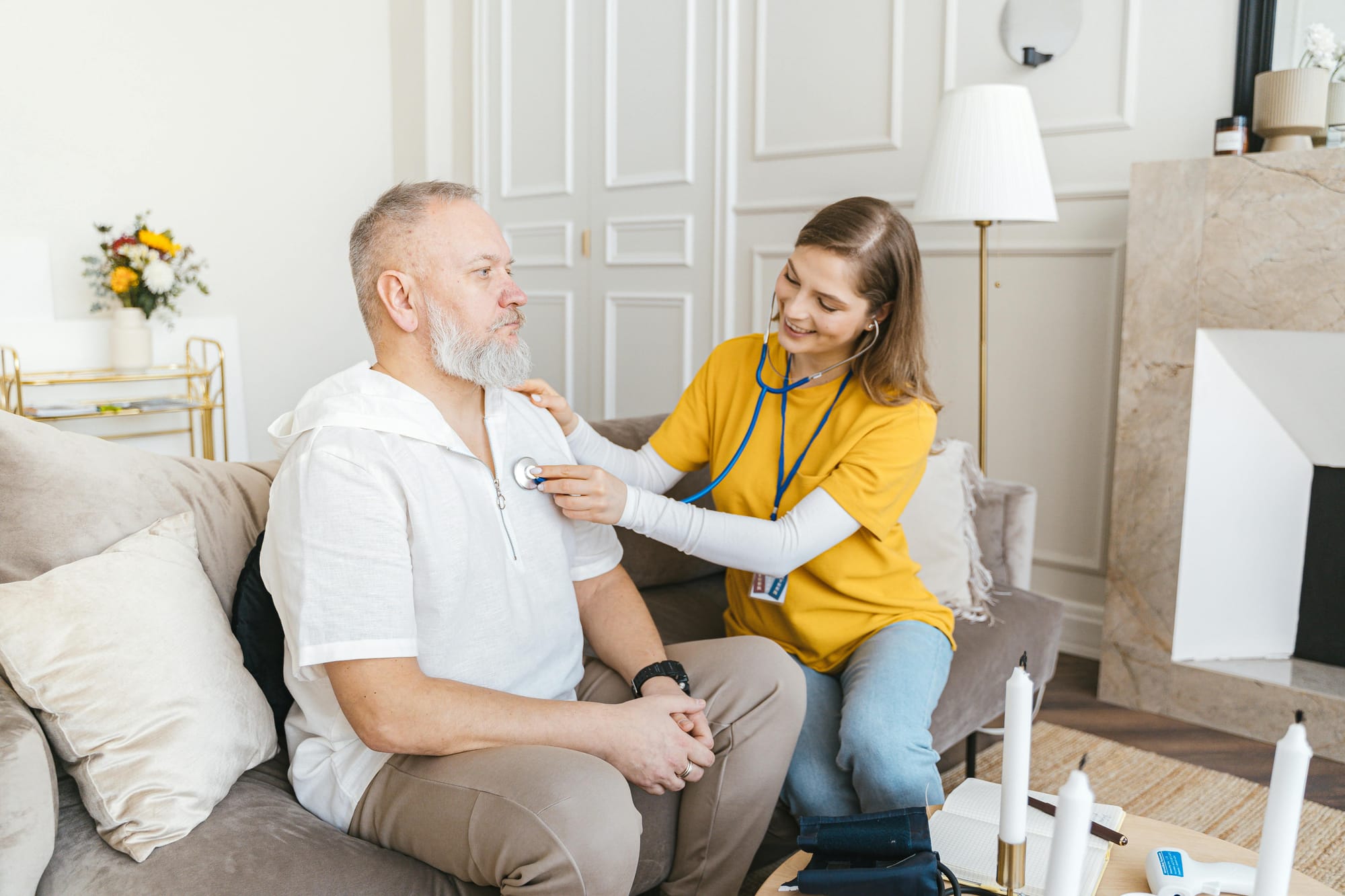
Health conditions such as vision impairments, hearing loss, and low blood pressure can contribute to falls. Seniors should have their vision and hearing tested regularly to ensure they can navigate their surroundings safely. Some medications may cause dizziness or drowsiness, increasing the risk of falls. Consulting a doctor to review and adjust prescriptions can help mitigate these risks. Additionally, addressing underlying health issues like osteoporosis can prevent fractures if a fall does occur.
5. Use Mobility Aids When Necessary
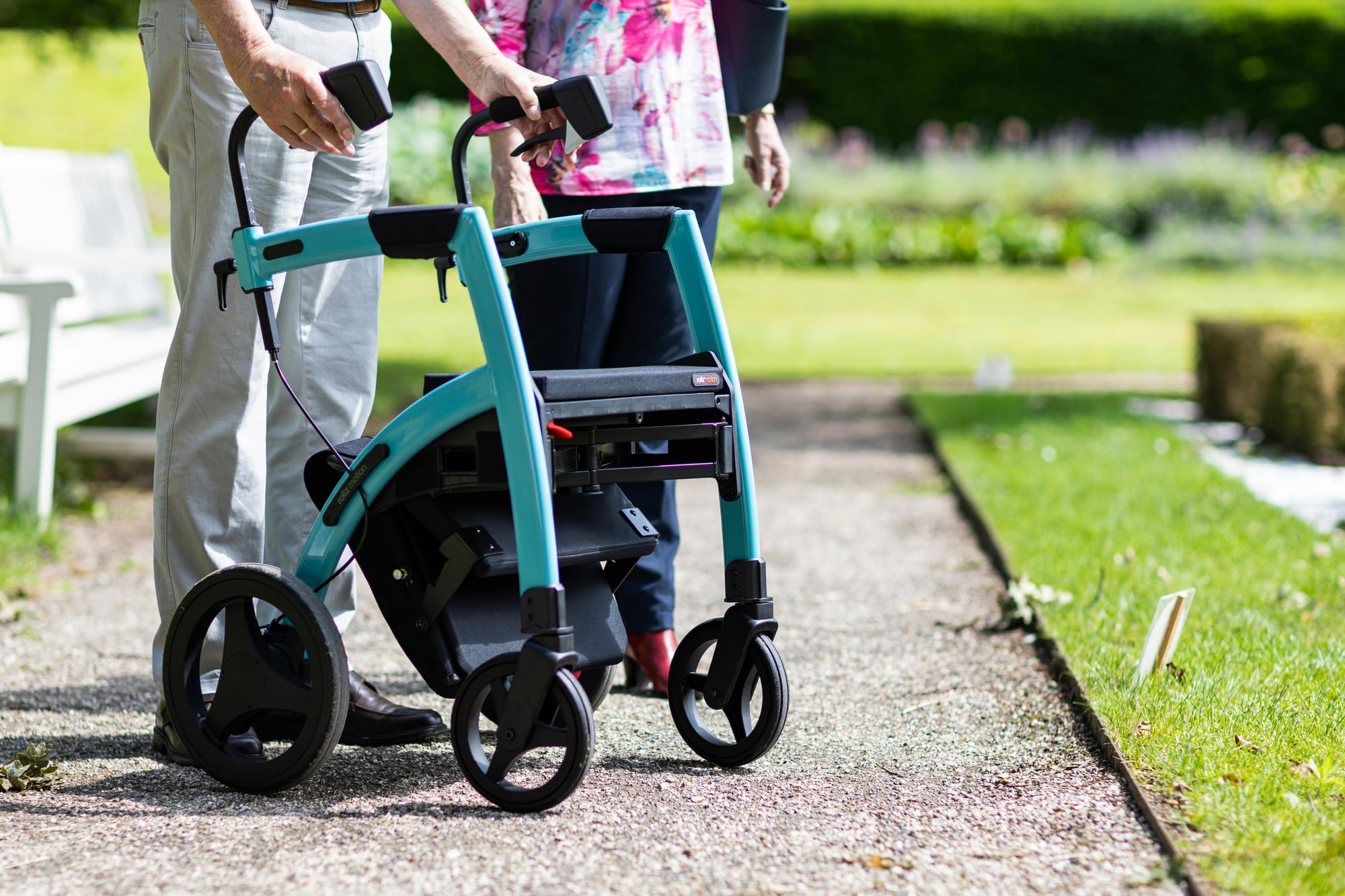
For seniors experiencing difficulty walking or balancing, using mobility aids can provide much-needed support. Canes, walkers, and rollators help enhance stability, but it is essential to ensure they are properly adjusted to the user’s height. Occupational therapists can assist in selecting the most suitable mobility aid and teaching seniors how to use them correctly.
6. Promote a Healthy Diet

Nutrition plays a significant role in maintaining bone strength and muscle function. Seniors should consume foods rich in calcium and vitamin D to promote bone health and reduce the risk of fractures. Dairy products, leafy greens, and fortified foods are excellent sources of calcium, while safe sun exposure and supplements can help meet vitamin D needs. Proper hydration is also vital, as dehydration can cause dizziness and increase fall risks.
7. Install Emergency Systems
Quick response to falls can prevent serious complications. Installing emergency alert systems, such as wearable medical alarms, allows seniors to call for help instantly in case of an accident. Keeping a mobile phone within reach at all times ensures they can contact family or caregivers if needed. Smart home devices with voice-activated emergency calls can also enhance senior safety.
By implementing these preventative measures, caregivers and family members can significantly reduce the risk of falls and injuries among seniors. A safe environment, regular health check-ups, proper nutrition, and the right mobility aids all contribute to enhanced stability and independence. Fall prevention is not just about avoiding injuries—it’s about preserving quality of life and ensuring seniors remain active and confident in their daily activities.
Stay Safe with the Ultra Comfort Metal Folding Stool
Unstable seating is a major contributor to falls among seniors. The Ultra Comfort Metal Folding Stool is specifically designed for safety and support. Its sturdy frame, anti-slip base, and ergonomic design provide the stability seniors need, reducing strain on their back and legs. Whether used in the kitchen, bathroom, or while gardening, this stool offers a reliable and comfortable seating option that enhances mobility and prevents accidents.
Protect your loved ones with the right support. Click here to get the Ultra Comfort Metal Folding Stool today and provide a safe, stable seating solution that helps prevent unnecessary falls and injuries!