
In-Home Care for Elderly Loved Ones
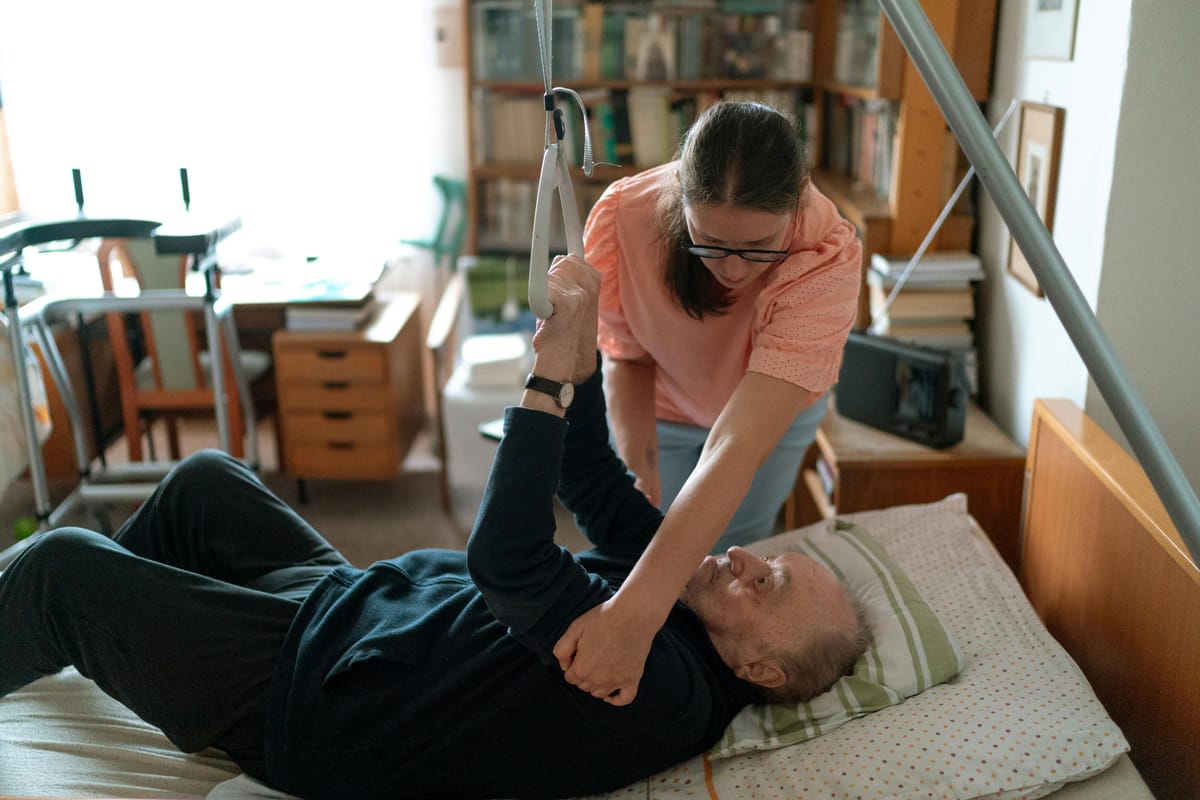
Caring for elderly parents or loved ones is a responsibility that many families face, especially as their health needs change with age. One option that has become increasingly popular is in-home care for the elderly, where elderly individuals receive the care they need within the comfort of their own home. But what does elderly home care entail, and how do you know if it’s the right choice for your loved one? In this post, we’ll explore the benefits, considerations, and practical tips for providing senior care at home.
What is In-Home Care?
In-home care refers to services provided by trained professionals or family members to assist elderly individuals with activities of daily living (ADLs) such as bathing, dressing, eating, and mobility. Unlike in a nursing home or assisted living facility, home care for seniors takes place in the individual’s own residence, allowing them to remain in a familiar environment while receiving the necessary care.
Benefits of In-Home Care for Elderly Loved Ones
1. Comfort of Home
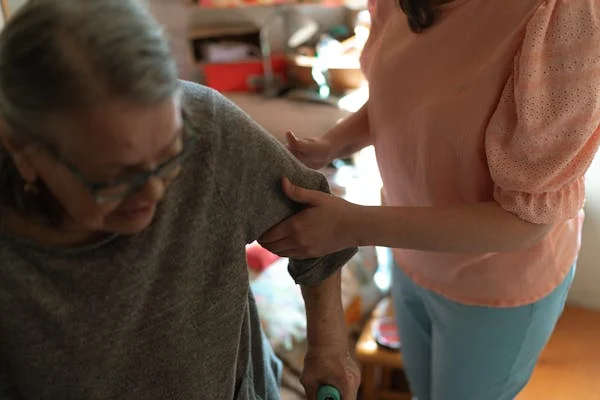
One of the biggest advantages of in-home care for elderly loved ones is that seniors can remain in their own homes, surrounded by their belongings, memories, and familiar surroundings. This can contribute to their emotional well-being and prevent feelings of isolation or depression, which can often arise in institutional settings.
2. Personalized Care
Elderly home care allows for more tailored services, ensuring that your loved one’s specific needs and preferences are met. Whether they need help with mobility, eating, or managing medications, care can be adjusted based on their health condition and personal wishes.
3. Independence
While providing assistance with daily tasks, in-home care for elderly people can also allow seniors to retain more independence. They may still be able to do some activities on their own, such as making their bed or preparing simple meals, which can help them feel more in control of their lives.
4. Family Involvement
With senior care at home, family members can remain closely involved in the care process. You can monitor the care your loved one is receiving and be present for important moments, whether it’s a family meal, holiday, or simply spending quality time together.
5. Cost-Effective
For some families, elderly home care can be more affordable than nursing homes or assisted living facilities, particularly if the senior does not require full-time medical attention. Home care services can be arranged on an hourly basis, meaning you can choose the level of care that fits your budget.
Types of In-Home Care Services
Several types of in-home senior care services cater to different needs. Here’s an overview:
1. Personal Care Services
This includes assistance with daily activities such as bathing, dressing, grooming, and toileting. Personal care for senior workers can also help with mobility, ensuring that seniors can move around safely.
2. Home Health Care
For those with medical needs, home health care for seniors offers skilled services like wound care, administering medications, managing chronic conditions, and physical therapy. Home health care providers are typically licensed healthcare professionals such as nurses or physical therapists.
3.Companion Care
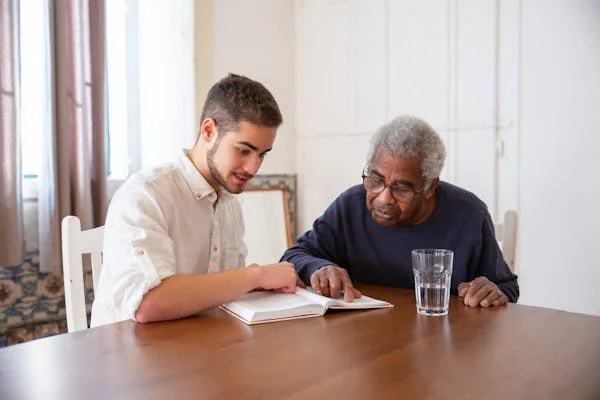
Companion care for elderly people focuses on providing companionship, helping seniors avoid loneliness. Companions may assist with light housekeeping, meal preparation, and transportation, as well as engage in social activities like reading, playing games, or going for walks.
4. Respite Care
Respite care for caregivers gives family caregivers a break by providing temporary relief. This service is especially useful for those who are primary caregivers and need time to recharge without worrying about their loved one’s care.
Considerations When Choosing In-Home Care

1. Assessing Care Needs
Before deciding on in-home elderly care, it’s important to assess the level of assistance your loved one requires. Consider whether they need help with basic tasks like bathing or more specialized services, such as managing medical conditions or physical therapy. This will help you determine if in-home care for seniors or hiring a professional caregiver is the best option.
2. Choosing a Caregiver
You may either hire a professional caregiver through an agency or rely on family members to provide care. If hiring a caregiver, make sure to check their qualifications, references, and background to ensure they are trustworthy and capable of providing the care your loved one needs.
Read our post on choosing the right caregiver.
3. Home Modifications
To ensure safety, you may need to make adjustments to your loved one’s home. This could include adding grab bars in the bathroom, installing ramps, or ensuring that the home is free from obstacles that could cause falls. Making these changes can improve the quality of care and reduce the risk of accidents.
Learn more about home safety modifications for seniors.
4. Legal and Financial Considerations
Before committing to elderly home care, it’s important to understand the financial aspects, such as the cost of care and whether your loved one has insurance coverage to help with expenses. You should also check whether there are any legal requirements for hiring caregivers, particularly if you hire them privately.
How to Pay for In-Home Care
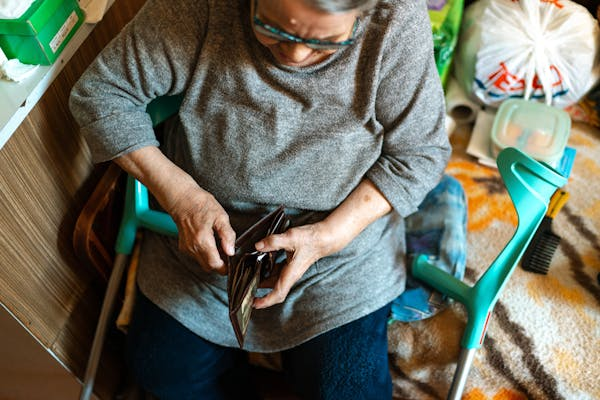
Paying for senior care at home can be one of the most significant concerns for families. Some of the options to consider include:
- Health Insurance: Many insurance policies offer coverage for home health care for elderly loved ones, but the extent of coverage may vary.
- Medicare and Medicaid: In some cases, Medicare may cover certain home health care services, especially if they are deemed medically necessary. Medicaid may also offer assistance for low-income seniors.
- Private Pay: Many families choose to pay out of pocket for elderly home care, either through personal savings or by hiring caregivers directly.
- Long-Term Care Insurance: Some seniors have long-term care insurance policies that can cover in-home senior care services.
Read about paying for home care through insurance.
Tips for Managing In-Home Care
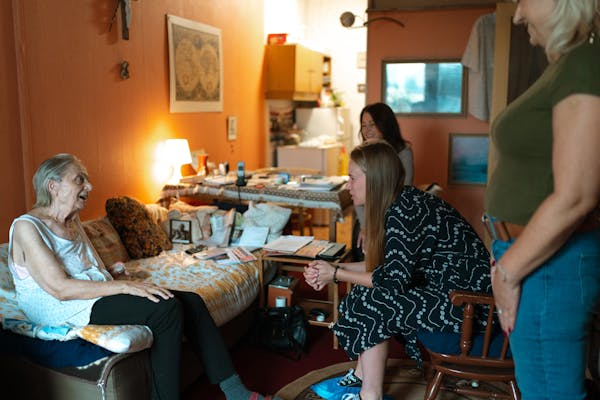
- Stay Involved: Regularly check in with your loved one and their caregiver to ensure they are receiving the best care possible.
- Create a Care Plan: Work with healthcare professionals to create a care plan for senior home care that outlines specific needs, routines, and preferences.
- Communicate Openly: Keep an open line of communication with your loved one and their caregiver. This will ensure everyone is on the same page and any concerns are addressed promptly.
- Take Care of Yourself: Caring for a loved one can be emotionally and physically demanding. Don’t forget to take time for yourself, whether that means getting respite care or seeking support from family and friends.
In-home care for elderly loved ones can be an excellent option for families who want to ensure their elderly loved ones receive the care and attention they need while maintaining comfort and independence. By considering the level of care required, the costs, and the needs of your loved one, you can make an informed decision that supports their health and happiness in their later years.
Ultra Comfort Metal Folding Stool is a Must-Have for Daily Support
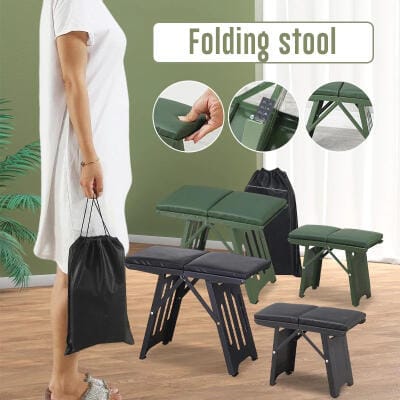
Say hello to the Ultra Comfort Metal Folding Stool – your perfect solution for portable seating anywhere you go. Whether you need a durable folding stool for camping, a sturdy seat for guests at home, or an easy-to-carry option for outdoor adventures, this compact metal stool does it all. Built for adults, lightweight for travel, and easy to store — it’s the must-have folding stool for every occasion.
👉 Don’t wait! Get your Ultra Comfort Metal Folding Stool today and enjoy both comfort and convenience:
🔗 Buy Now – Ultra Comfort Metal Folding Stool