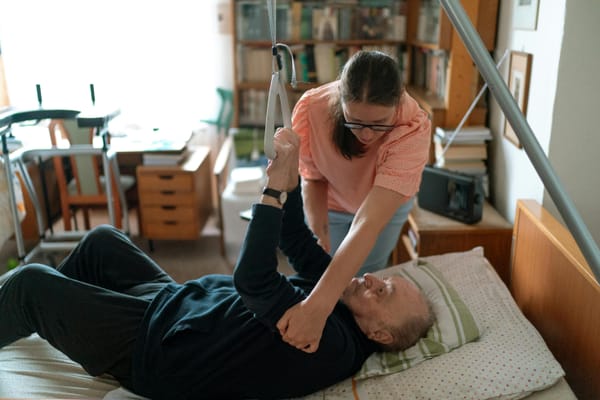
Taking Care of Our Elderly Parents at Home: Do’s and Don’ts
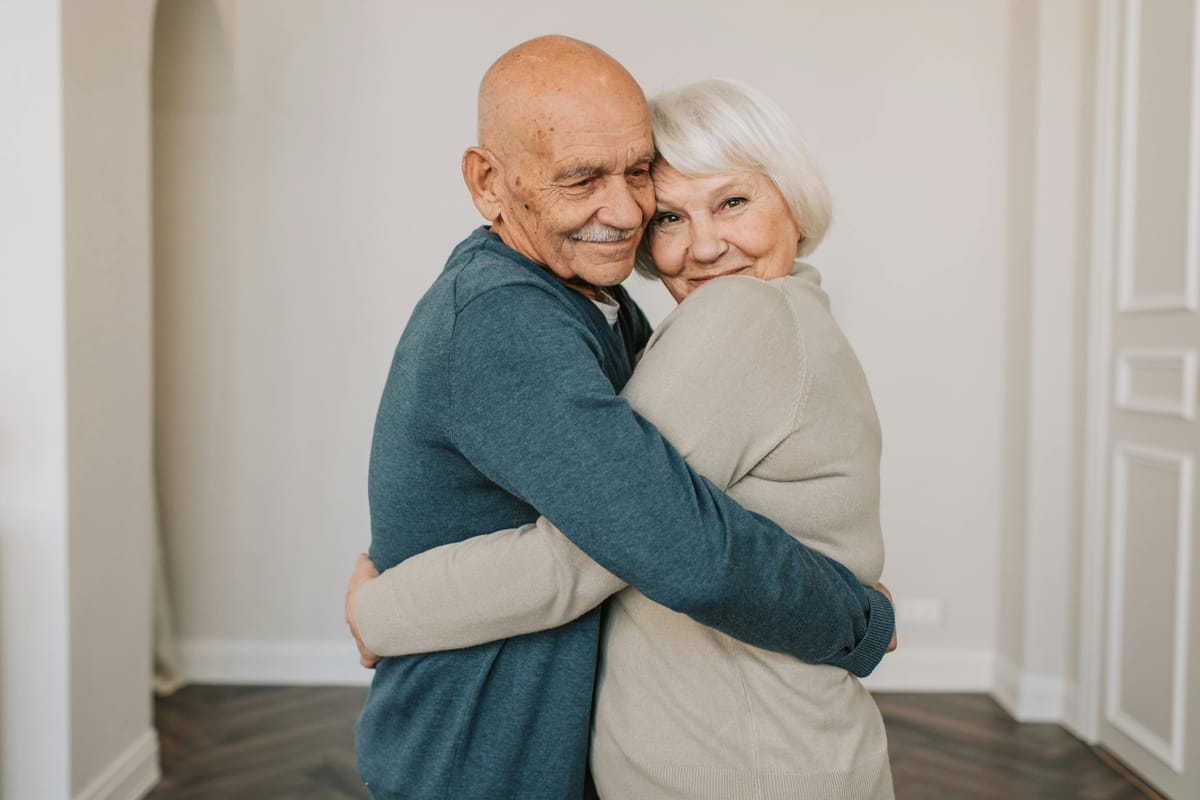
As our parents age, their needs change, and it becomes our responsibility to ensure they are safe, comfortable, and well cared for. Providing care at home can be both fulfilling and challenging, so it’s essential to understand the best practices to support their well-being. Here are some important do’s and don’ts when taking care of elderly parents at home.
Do’s: Best Practices for Elderly Care
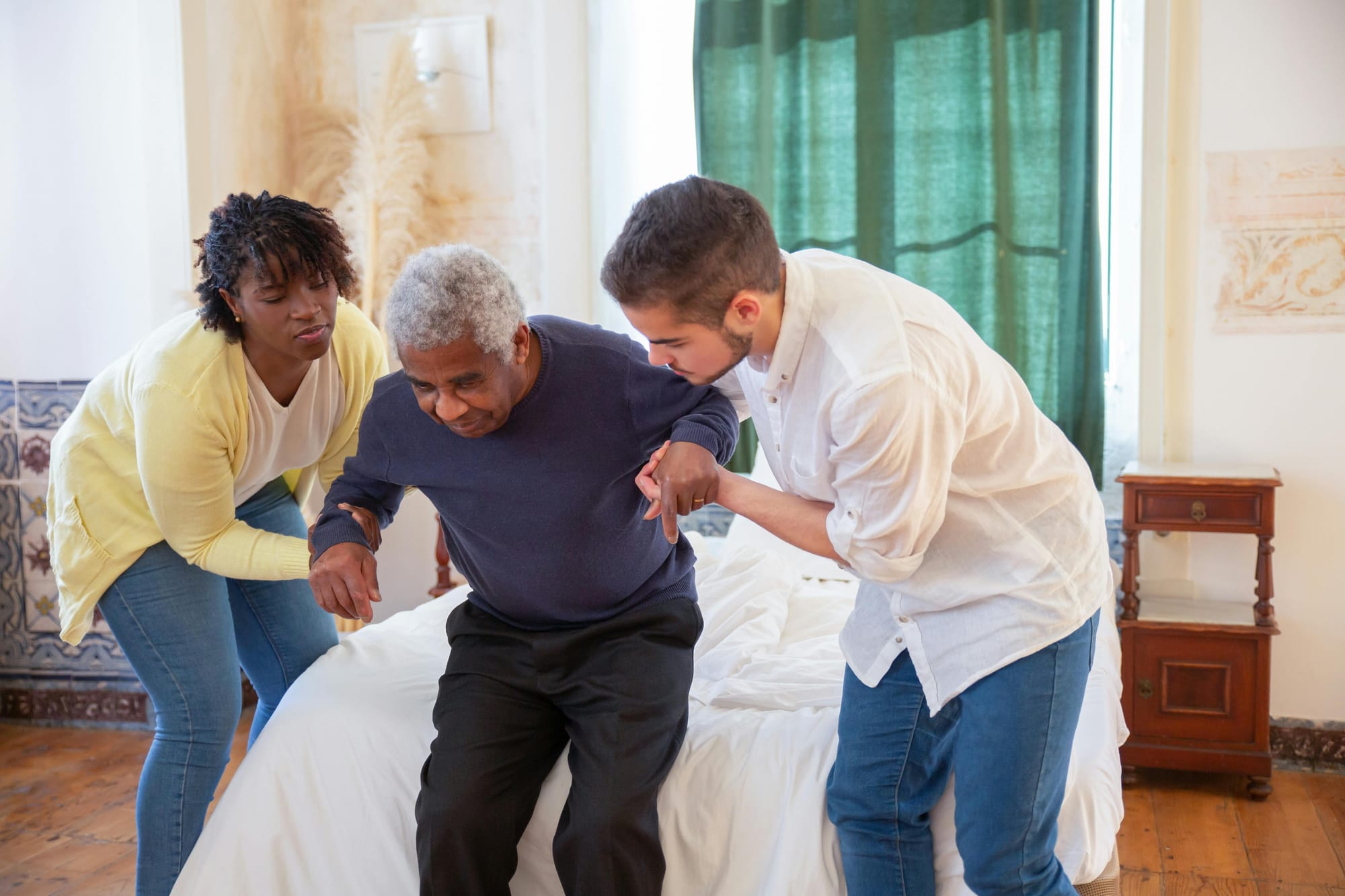
- Encourage Independence
While support is necessary, allowing your elderly parents to perform tasks they can manage boosts their confidence and maintains their motor skills. Simple activities like dressing themselves or preparing a light meal can give them a sense of independence. - Provide Proper Nutrition
A balanced diet is essential for maintaining good health. Prepare meals rich in fiber, vitamins, and protein while limiting processed foods. If they have specific dietary restrictions, consult a nutritionist or doctor for guidance. Check out healthy meal plans for seniors. - Stay on Top of Medical Needs
Keep track of their medications, doctor’s appointments, and any chronic health conditions. Use a pill organizer to help them take their medicine correctly, and accompany them to medical check-ups if necessary. - Encourage Social and Mental Engagement
Loneliness and isolation can negatively impact mental health. Encourage them to interact with friends and family, engage in hobbies, or participate in senior-friendly activities such as puzzles, gardening, or light exercise. - Be Patient and Show Empathy
Aging can be frustrating for seniors, especially when they experience memory loss, physical weakness, or health issues. Practice patience, listen to their concerns, and reassure them with kindness.
Don’ts: Common Mistakes to Avoid

- Don’t Ignore Their Emotional and Mental Health
Depression and anxiety are common in older adults. Check in with them regularly, encourage conversations, and seek professional help if they show signs of withdrawal or sadness. Read more about senior mental health. - Don’t Overlook Safety Precautions
Small hazards like slippery floors, loose carpets, or poor lighting can lead to serious injuries. Conduct regular safety checks at home to minimize risks. - Don’t Dismiss Their Preferences and Needs
Even as you provide care, respect their personal choices. Whether it’s their daily routine, food preferences, or hobbies, making them feel heard and valued is crucial for their well-being. - Don’t Neglect Your Own Health and Well-Being
Caregiving can be physically and emotionally exhausting. Make sure to take breaks, seek support from other family members, or hire professional caregivers when needed. Your health is just as important. - Don’t Assume They Can Manage Everything Alone
While independence is important, some tasks may be too difficult or unsafe for them to handle alone. Keep an eye on their daily activities and step in when necessary.
Caring for elderly parents at home is a rewarding yet demanding responsibility. By following these do’s and don’ts, you can ensure their comfort, safety, and happiness while also maintaining balance in your own life. Every senior has unique needs, so staying attentive and compassionate is key to providing the best care possible.
For added comfort and convenience, consider using a Ultra Comfort Metal Folding Stool, which provides a stable and portable seating solution for seniors at home and outdoors. Click here to Check out!.