Why Hikers Experience Leg Pain After a Hike
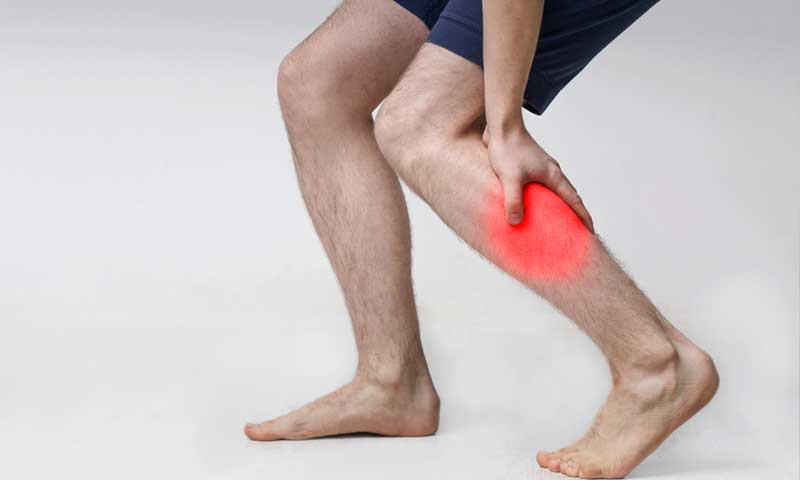
Hiking is a wonderful way to connect with nature, enjoy breathtaking views, and get an excellent workout. It allows you to explore new landscapes, spend time outdoors, and challenge your body in unique ways. However, for many hikers, the exhilaration of a successful hike is often followed by one common issue: leg pain. This discomfort can range from mild soreness to more intense aches, and it’s something almost every hiker will experience at some point.
Leg pain after a hike is not necessarily a bad sign, but it can be a frustrating one. It’s the body's way of telling you that you’ve pushed it beyond its usual limits. Whether you’re hiking a challenging mountain trail or a more moderate hiking route, your muscles, joints, and ligaments undergo significant strain. Understanding why leg pain occurs can help you prevent it and make your hiking experiences more enjoyable. By recognizing the different factors that contribute to leg discomfort, you can take steps to avoid or manage it, ensuring you remain comfortable on future hiking trips. Let’s explore some of the most common reasons why hikers experience leg pain after a hike.
1. Muscle Fatigue
Hiking involves continuous use of your leg muscles, especially during challenging ascents and descents. As you trek over varied terrain, your calves, quadriceps, hamstrings, and glutes are all engaged to propel you forward. When these muscles are pushed to their limits, they can become fatigued and sore, especially after a long or strenuous hike. Muscle fatigue is the body’s natural response to exertion, and it often leads to muscle soreness the day after a hike.
2. Overuse or Overexertion
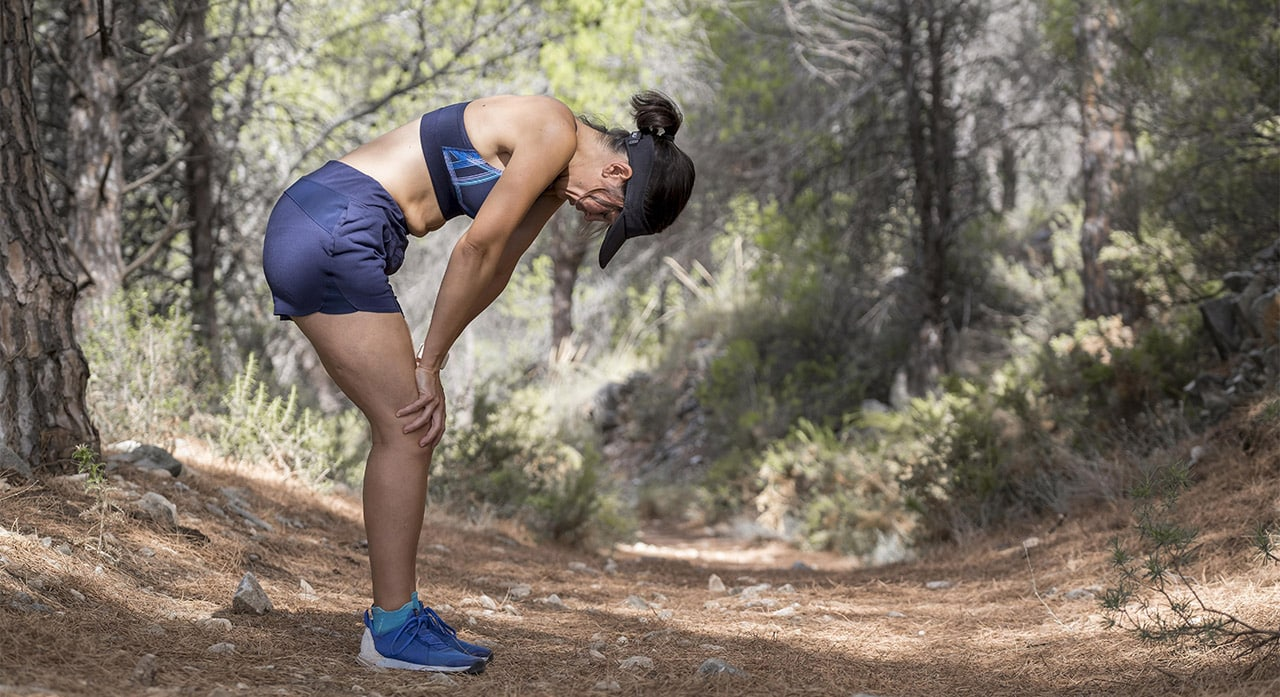
When you hike for extended distances or at a higher intensity than your body is used to, you may experience overuse injuries. Overexertion happens when your muscles, joints, and ligaments are strained from excessive stress. For example, if you’re hiking on an unfamiliar trail or taking on a more challenging route than usual, your body may not be adequately prepared for the increased demands, leading to pain and discomfort in the legs.
3. Dehydration and Electrolyte Imbalance
Staying hydrated is crucial during any outdoor activity, but it’s especially important during hiking. Dehydration can occur quickly when you're hiking in hot or humid conditions, and it can cause muscle cramps, soreness, and fatigue. Additionally, as you sweat, you lose essential electrolytes such as sodium, potassium, and magnesium. An imbalance in these electrolytes can lead to muscle weakness, cramping, and leg pain after your hike.
4. Lack of Stretching or Warm-Up

Before hitting the trail, it’s important to prepare your body with a proper warm-up. If you skip this step, your muscles may not be properly activated and can become tight. When muscles are tight, they are more vulnerable to injury and are less efficient during your hike. Failure to stretch after your hike can leave muscles in a shortened, tight state, making them more likely to feel sore and fatigued the next day.
5. Improper Footwear
The right hiking shoes are critical when trekking, especially when you are tackling difficult or uneven terrain. Shoes that don’t provide adequate arch support, cushioning, or a proper fit can cause problems throughout your legs. Poor footwear can result in foot pain, which can radiate up to your knees, hips, and lower back. Even slight misalignment from improper shoes can lead to discomfort and increased strain on your legs, causing pain after your hike.
6. Uneven Terrain
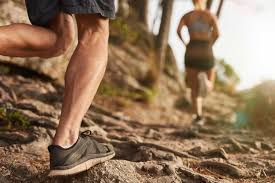
Hiking on rough and uneven terrain adds extra pressure to your legs, especially on steep or rocky trails. The unpredictable surfaces make it harder for your muscles to stabilize your body, which leads to added stress on your legs. Steep inclines and declines require more effort from your leg muscles, and after navigating such terrain, you may feel sore as your muscles try to recover from the unusual strain they were under.
7. Previous Injury

If you've had a past injury, such as a sprained ankle or a muscle strain, it can make your legs more susceptible to pain after a hike. Even if you’ve fully recovered from an injury, hiking can reintroduce stress to weakened areas, making them more prone to soreness or even reinjury. Over time, this can lead to chronic discomfort in those specific muscles, joints, or ligaments.
8. Lack of Conditioning
If you're new to hiking or haven't been physically active for a while, your muscles may not be accustomed to the demands of a hike. Hiking engages multiple muscle groups and requires stamina and cardiovascular endurance. If you haven’t built up sufficient strength or endurance, your muscles will tire more quickly, and this can lead to soreness or even injury. Inadequate conditioning makes it harder for your body to adapt to the stresses of hiking, which results in more leg pain afterward.
9. Inadequate Recovery

After your hike, it’s essential to allow your muscles to recover properly. Without sufficient rest, your muscles don’t have time to heal, and this can cause long-term discomfort. Recovery involves not only taking time to rest but also incorporating techniques like hydration, stretching, and foam rolling to reduce muscle tightness. Failing to recover adequately can lead to chronic leg pain or even more severe injuries down the road.
10. Injury or Strain
Sometimes leg pain after a hike can be attributed to a more serious injury, such as a muscle strain, ligament sprain, or stress fracture. These injuries often occur after hiking for long periods, carrying heavy loads, or hiking on particularly difficult terrain. Stress fractures, for example, are small cracks in the bones caused by repetitive stress, and they can cause significant pain in the legs. If you experience persistent pain after a hike that doesn’t improve with rest, it’s important to consult with a healthcare professional to rule out more serious injuries.
Leg pain after a hike is a common issue that many hikers face. Whether it’s due to muscle fatigue, overexertion, dehydration, or improper footwear, understanding the reasons behind the pain can help you avoid it in the future. Make sure to listen to your body, stay hydrated, and rest when needed to ensure your hiking adventures remain comfortable and enjoyable.
If you’re dealing with leg pain after hiking, check out this leg pain relief guide for helpful recovery tips and solutions.
Try the Ultra Comfort Metal Folding Stool for Your Next Adventure!

Don’t let discomfort ruin your outdoor experience! The Ultra Comfort Metal Folding Stool is your perfect companion for hiking, camping, or any outdoor adventure. It’s a sturdy, reliable folding stool that provides unmatched comfort wherever you go. Whether you're resting after a long hike or taking a break at the campsite, this metal folding stool is built to last.
Looking for a camping chair metal stool that’s lightweight and easy to carry? The foldable stool design makes it the ideal choice for outdoor enthusiasts. Stay comfortable and relax with ease—grab your metal stool today and enjoy every moment of your adventure!
Click below to get yours now and enjoy comfort wherever you go!